Song Meaning
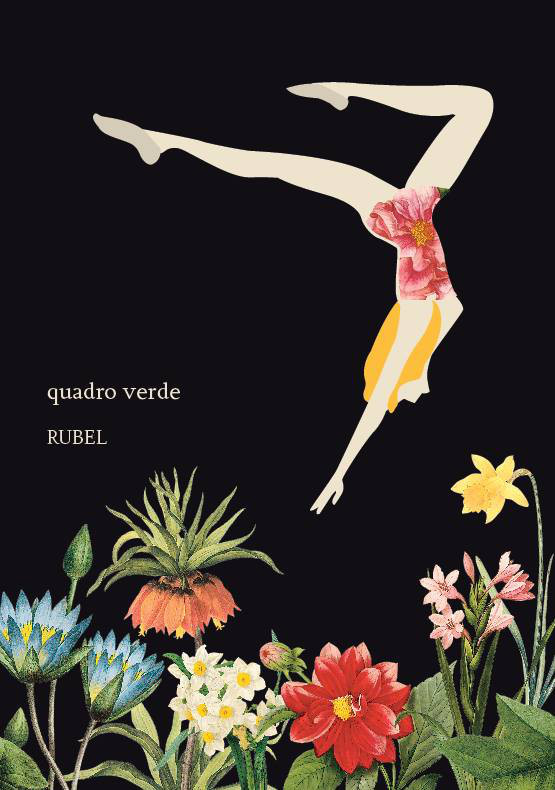
The lyrics paint a picture of someone feeling confined and yearning for escape, both physically and mentally. The opening lines, "Daqui de dentro o sol é pouco / Eu berro," immediately establish a sense of being trapped, with the sun – a symbol of warmth and openness – barely reaching them. This internal confinement is further emphasized by "Pinturas velhas não renovam mais / Meu ar," suggesting a stagnation and a need for fresh perspective.
The central tension arises from a desperate plea for connection and distraction. The narrator begs, "Vem me acalma / Traz os discos / Fica," seeking solace and a temporary reprieve from their internal struggle. They explicitly state, "O que eu preciso é me esquecer / Me conta mais de você," highlighting a desire to shift focus away from their own anxieties onto another person. This plea is met with an offer of guidance: "Estende o braço e me aponta / Pra onde eu vou," suggesting a potential path forward guided by this other person.
A significant shift occurs when the narrator admits, "Eu tive medo de você." This confession reveals a past vulnerability that may have contributed to their current state of isolation. The subsequent lines, "Não vá deixar / Que perca o pouco / Que te prende aqui dentro," indicate a fear of losing this newfound connection, the very thing that might pull them out of their internal darkness. The imagery of colors spreading and living "Enquanto houver / Um vestígio dos quadros que eu fiz" suggests that their artistic creations are tied to their will to live, and that this connection is what keeps those vestiges alive.
The lyrics ultimately resolve into a powerful embrace of intimacy and shared expression. The narrator urges, "Esquece a tinta e os pincéis / Não precisamos esconder / Vem / Me abraça forte e diz / Tudo que eu sempre quis dizer." This signifies a release from the need for hidden artistic expression, opting instead for open, physical and verbal connection. The final lines, "Em suas coxas me prendeu / Em seus seios me sorriu / Só assim pude entender / Só assim que eu te escrevi," powerfully link understanding and artistic creation to this intimate bond, suggesting that true self-expression and comprehension were only possible through this profound connection.
 View Artist