Song Meaning
The lyrics paint a grim picture of a world at the turn of the century, where a "voracious dawn" ushers in not peace, but "armies that guard us from peace." This opening immediately establishes a tone of pervasive unease and paradox, questioning the very notion of peace in a society seemingly built on conflict and control. The narrator is thrust into this reality, facing a "face of evil" that is presented as both a "scream of horror" and a "normal fact," highlighting a disturbing desensitization to suffering and violence. This juxtaposition creates a sense of profound disorientation and dread.
The core tension arises from a pervasive, existential fear that paralyzes the narrator. This "fear of everything, fear of nothing, fear of life itself" is described as being "cocked," like a weapon ready to fire. This imagery suggests a constant state of alert, a life held captive by anxieties that are both all-encompassing and undefined. The lyrics then shift to a critique of power structures, where "uniforms and force" forge "farcical games" and "firearms," suggesting that those in authority use their power to maintain control through deception and violence, leaving a "raw cut" on the "face of love."
A striking element is the narrator's passive observation of this unfolding chaos, feeling like an outsider "watching this movie go by." This detachment is amplified by the "apocalyptic" imagery, likening the situation to an "action clip" where a "dry click, a revolver points at my heart." This metaphor powerfully conveys a sense of personal vulnerability and impending doom, as if the systemic violence is directly aimed at the individual. The inclusion of specific scandals like "Caso Morel" and "crime da mala" grounds the abstract dread in concrete instances of corruption and injustice, further emphasizing the narrator's feeling of being overwhelmed by a world where "important people" are involved in "contraband."
Ultimately, the effectiveness of these lyrics lies in their unflinching portrayal of societal decay and personal helplessness. The narrator's repeated refrain of "watching this movie go by, watching the end, watching my time go by" underscores a profound sense of resignation. The lyrics suggest that in a world where those in power "swear they don't torture anyone" and act "for your own good," while simultaneously being "outlaws" who know "everything I don't know," the individual is left with little agency. This creates a potent emotional impact, resonating with a feeling of being trapped in a system that is both corrupt and indifferent to the plight of the common person.
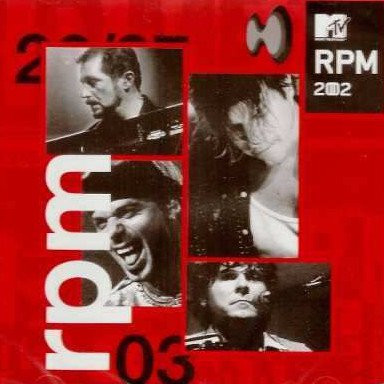
 View Artist