Song Meaning
The lyrics present a stark internal landscape, beginning with an invitation to acknowledge pervasive sadness by lowering a "drawbridge" over a "moat of tears." This imagery immediately establishes a theme of emotional vulnerability and the acceptance of sorrow as a present reality. The narrator reflects on past coping mechanisms, noting a shift from "hatred" to confronting "openness" in confronting "closest fears" and embracing personal "desires." This suggests a journey toward self-awareness and a more honest engagement with one's inner world, even if it leads to a preference for solitude over human interaction. The narrator's declaration, "Alone I know myself the best but when humans are near / I do not want to be with them," highlights a profound sense of introversion or social withdrawal.
The central tension arises from the contrast between the desire for "tranquility" and the persistent presence of sadness, framed by the metaphor of a "castle." This castle, with its "dark stone outside with the burgundy interior," seems to represent a protected, perhaps even opulent, inner sanctum. Reaching it requires crossing the "moat of tears," implying that emotional pain is an unavoidable gateway to this inner peace or self-knowledge. The fleeting nature of what is seen in the water – "everything you love" that "fades away" – underscores the ephemeral quality of happiness or solace when confronted by this emotional barrier.
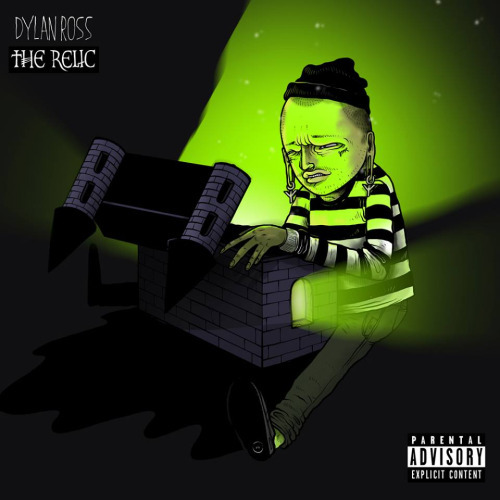
The lyrics employ a powerful, consistent metaphor of a castle, a moat, and a drawbridge to articulate the experience of emotional isolation and the struggle for inner peace. The act of lowering the "drawbridge" signifies a conscious decision to engage with one's sadness, rather than avoid it. The "forest" one must cross to arrive at the castle suggests a difficult, perhaps solitary, path toward self-discovery, requiring "agility and the patience of the ancients." This journey culminates in arriving at the castle, not as a ruler, but as a "guest," implying a humble or temporary state of arrival, even within one's own inner sanctuary.
Ultimately, the effectiveness of these lyrics lies in their vivid, almost tangible, depiction of emotional states. The "moat of tears" is not just a feeling but a physical barrier that must be navigated. The shift from relying on "hatred" to embracing "openness" provides a relatable arc of personal growth, while the imagery of the castle and its approach captures the complex relationship between isolation, vulnerability, and the search for tranquility. The narrative suggests that true peace is found not by eradicating sadness, but by understanding and crossing through it, even if the destination is a solitary one.
 View Artist