Song Meaning
The lyrics paint a stark picture of pursuit and loss, opening with a narrator trying to spot someone, only to see the "dust / Of the car that was taking her." This immediate image sets a tone of frustration and distance, a failed attempt at connection. The repeated phrase "por ver si la divisaba" (to see if I could spot her) emphasizes this longing and the ultimate disappointment.
The chorus, "¡Anda, jaleo, jaleo! / Ya se acabó el alboroto / Y vamos al tiroteo" (Go on, commotion, commotion! / The fuss is over / And let's go to the shooting), introduces a jarring shift. The "fuss" ending suggests a resolution, but it's a violent one, moving from a personal chase to a "shooting." This transition implies that the initial pursuit has escalated into something more dangerous and final, perhaps a confrontation or a tragic event.
The second verse introduces a direct warning: "No salgas, paloma, al campo / Mira que soy cazador" (Don't go out, dove, to the field / Look, I am a hunter). The narrator positions himself as a threat to the "dove," a common symbol of innocence or a loved one. The lines "Y si te tiro y te mato / Para mí será el dolor" (And if I shoot you and kill you / For me will be the pain) reveal a complex, almost self-destructive dynamic, where the act of harming the beloved will also bring suffering to the perpetrator.
This tension culminates in the third verse: "Por la calle de los muros / Han matao una paloma" (Through the street of the walls / They have killed a dove). The "dove" is now explicitly dead, a victim. The narrator's response, "Yo cortaré con mis manos / Las flores de su corona" (I will cut with my hands / The flowers from her crown), signifies a gesture of mourning and perhaps a grim acceptance of the loss. The lyrics effectively use the imagery of the hunt and the fallen dove to convey a narrative of pursuit that ends in irreversible tragedy and personal anguish.
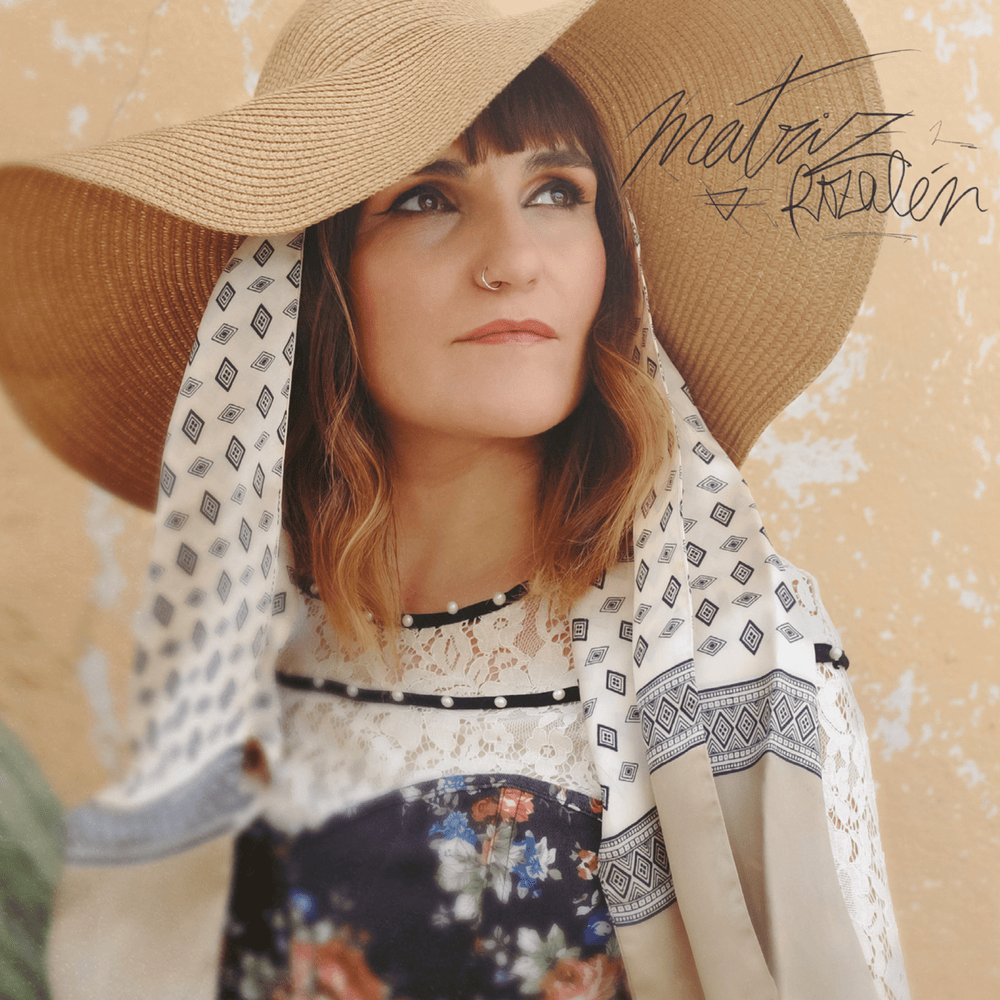
 View Artist