Song Meaning
The lyrics paint a stark picture of a relationship crumbling under the weight of past hurts and an inevitable departure. The opening lines establish a sense of fading warmth and a chilling realization, setting a somber mood. The narrator feels a profound coldness, accepting a passive descent into emotional winter, symbolized by the phrase "I can only let it snow." This surrender contrasts sharply with the lingering pain of "words were said so long ago," which have left a deep, unhealed wound.
The central tension lies in the narrator's desperate, conflicting desires: to hold onto what's left of the relationship while simultaneously acknowledging its demise. The repeated refrain, "So much going on / And I wish to hold on / So much going on / And I cannot let go," perfectly captures this paralysis. It's a plea against the forces pulling them apart, a desperate attempt to cling to a love that is clearly slipping away, even as the narrator admits, "Hate to say I knew you'd go."
A striking element is the contrast between the external rush of departure ("You go fast," "Hurry now it's time to go") and the narrator's internal stagnation and slow "burn." This internal conflict is further amplified by the imagery of a "broken home" and "worlds collide," suggesting that the relationship's foundation is shattered. The narrator's plea, "Show me like you did before," is a poignant request for a return to a past state, highlighting the present decay and the inability to recapture what was lost.
Ultimately, the effectiveness of these lyrics stems from their raw portrayal of helplessness and lingering attachment. The narrator's awareness of the inevitable end, coupled with their inability to release their grip, creates a powerful emotional resonance. The admission of past naivete, "So naïve now I know more," underscores the painful clarity that accompanies loss, making the final, repeated "cannot let go" a devastating expression of enduring pain and unresolved feelings.
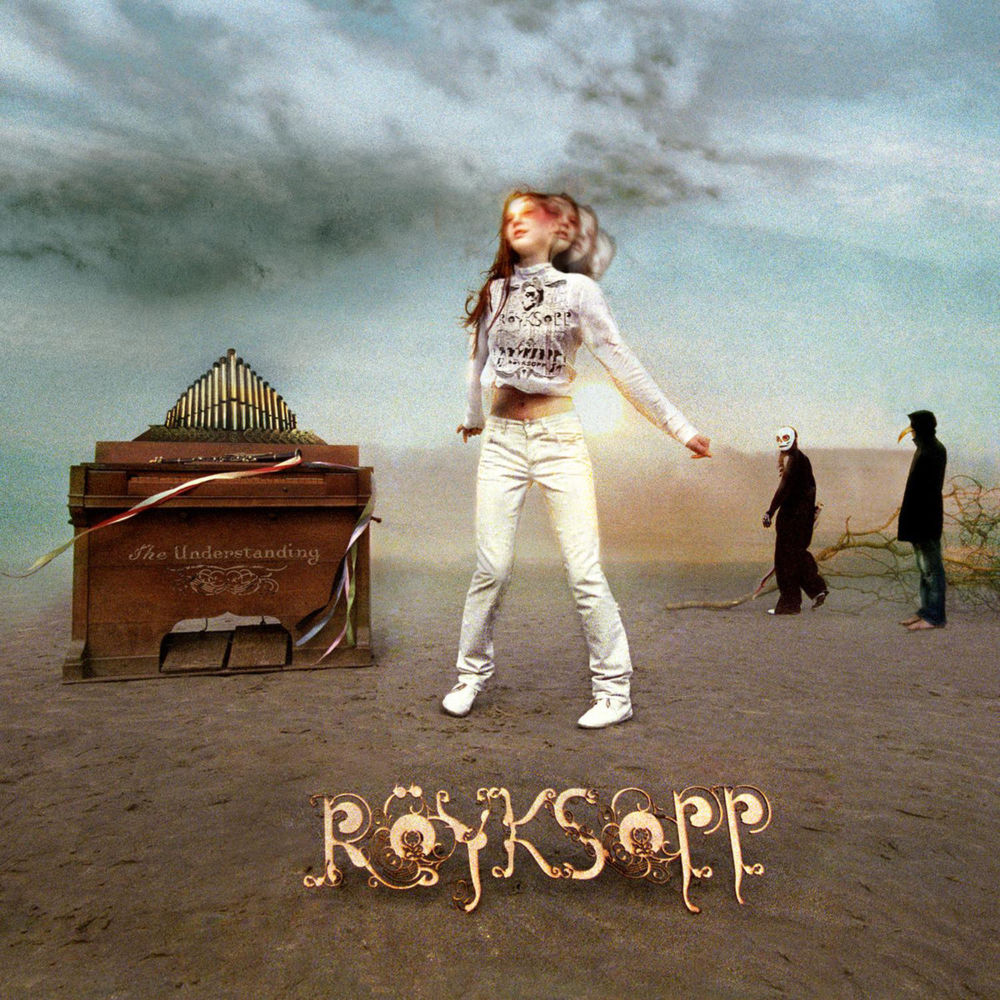
 View Artist