Song Meaning
The lyrics paint a picture of a nocturnal intimacy that dissolves with the morning light, leaving the narrator feeling trapped and disconnected. There's a palpable tension in the air, a sense of being cornered, yet a phantom voice calls out, drawing the narrator back into this elusive connection. This pull is strong enough to make the narrator return, despite the clear understanding of its unreality.
This internal conflict is amplified by the narrator's self-imposed isolation. They describe a state of being "dead to the world," a deliberate withdrawal into a private, almost dreamlike space filled with "marvels and wonders." This retreat serves to "sedate" their desire to engage with the outside, suggesting a profound weariness or perhaps a fear of exposure. Yet, paradoxically, even in this stillness, there's a sense of internal motion, a constant, albeit hidden, drive.
The most striking aspect is the narrator's oscillation between outward withdrawal and an inward focus on a specific, perhaps imagined, presence. The phrase "I don't move but I keep on moving" captures this duality perfectly. The external world is shut out, but internally, something is still churning. The final line, "I'm only with you," solidifies this intense, singular focus, suggesting that this internal movement is entirely dedicated to maintaining this one, albeit insubstantial, connection.
Ultimately, the effectiveness of these lyrics lies in their stark portrayal of a self-created emotional prison. The contrast between the vividness of the night and the hollowness of the day, the paradox of stillness and movement, and the singular devotion to an intangible "you" create a powerful sense of yearning and isolation. It's a raw depiction of seeking solace in a private world, even when that world is built on illusion.
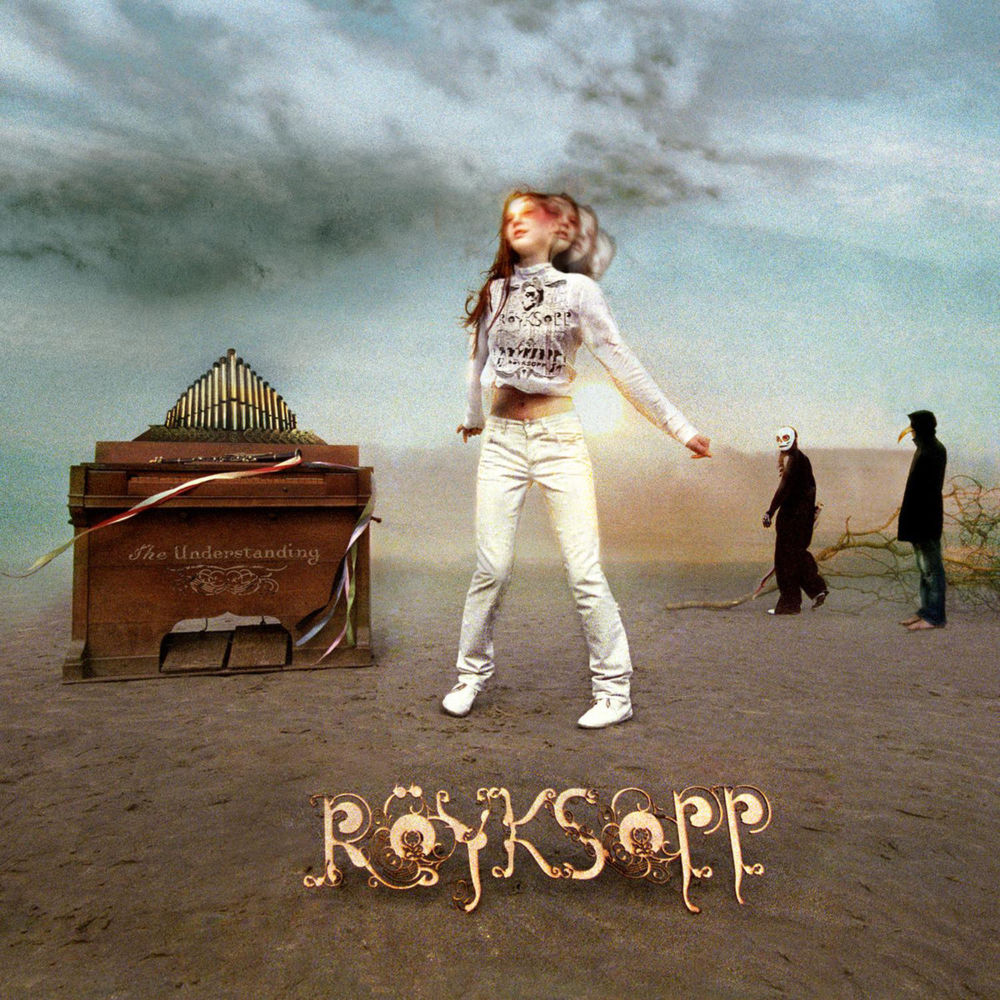
 View Artist