Song Meaning
The lyrics paint a stark picture of a mind trapped in a cycle of shame and perceived failure. The opening lines immediately establish a sense of stagnation and self-recrimination, with phrases like "life on hold" and "I'm ashamed" setting a heavy, introspective tone. The narrator feels isolated, "no one came," and overwhelmed by internal struggle, "bruise my brain" and "combat pain." This verse suggests a deep-seated feeling of being wronged and a desperate desire for an end, hinting at a profound weariness with their current state.
The central tension emerges in the chorus, where a grudging acceptance of someone else's desire is voiced: "I guess your wish came true / I won't run from you." This implies a prior conflict or avoidance, and the narrator's decision to cease resistance, though framed with a sense of inevitability rather than willing surrender. The second verse deepens the sense of observation and detachment, watching others "dance" and "cry" while the narrator remains stuck, "chained in bed" or perhaps metaphorically so. The imagery shifts to "blue plane light" and "TV god," suggesting a disengaged, perhaps even voyeuristic, experience of the world.
A particularly striking element is the recurring contrast between internal states and external imagery. The "dirty palms" and "city palms" juxtapose a sense of personal corruption or guilt with a more expansive, perhaps even predatory, urban landscape. The repetition of "I've been robbed, I've been wrong" (and "rolled") reinforces a narrative of victimhood, but the context of "feel the fame" and "watch you dance" suggests a more complex interplay of external pressures and internal justifications. The lyrics effectively use short, declarative statements to convey a feeling of being overwhelmed and resigned, creating a potent sense of emotional confinement.
Ultimately, the effectiveness of these lyrics lies in their raw, unvarnished portrayal of internal conflict and external observation. The narrator's shame and sense of being wronged are palpable, amplified by the stark, almost clinical descriptions of their surroundings and perceived betrayals. The quiet, almost defeated acceptance in the chorus, "I won't run from you," leaves a lingering impression of a battle lost, not through defeat, but through a profound exhaustion that makes resistance seem pointless.
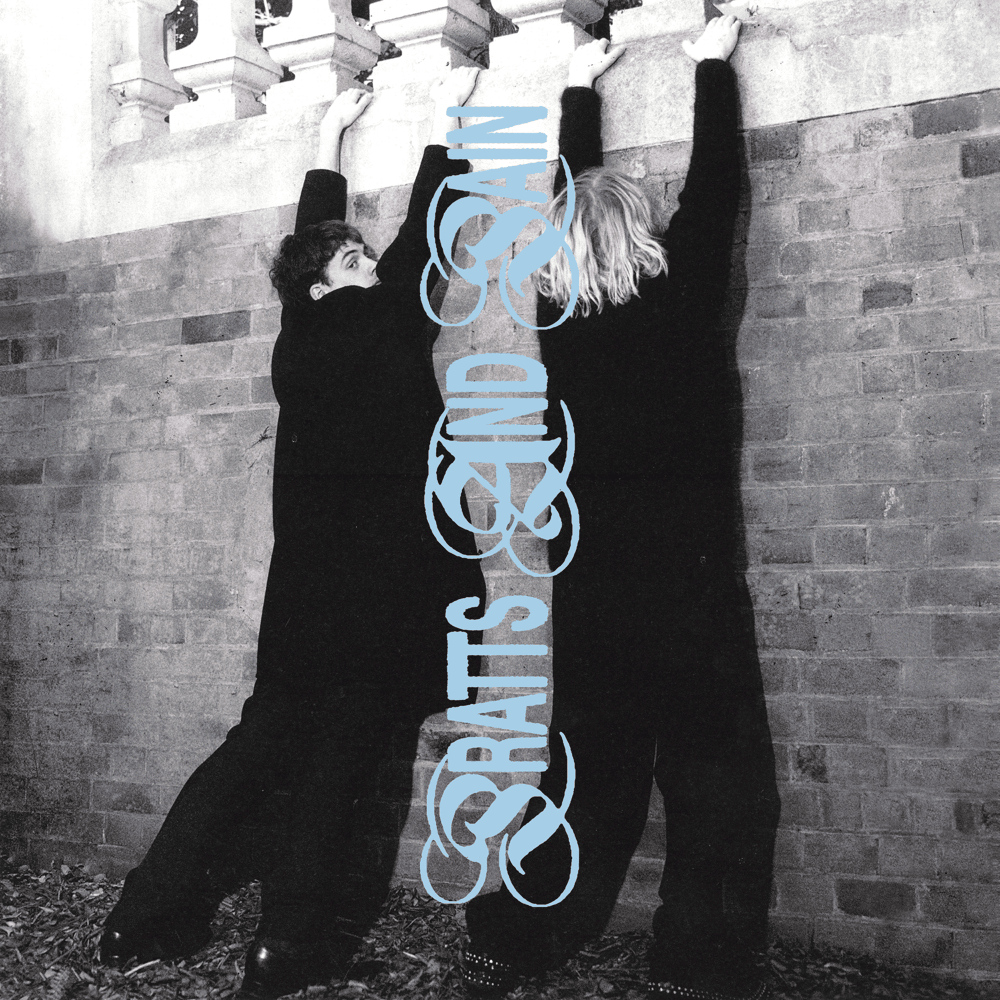
 View Artist