Song Meaning
The lyrics paint a picture of a complex, evolving relationship, starting with a sense of shared struggle and a desire for mutual liberation. The opening lines, "Out on the street / Hung in the mid-air / Freer than last year / But still caught in a snare," immediately establish a tone of precarious freedom, suggesting progress made but obstacles remaining. This feeling of being "caught in a snare" while striving for more autonomy sets up the central tension.
The core of the song seems to be the narrator's plea and declaration of solidarity with "Woman." The repeated refrain, "Woman I couldn't let you be / Any less free than me," reveals a deep-seated commitment to ensuring the other person's liberation mirrors their own. This isn't just about personal freedom; it's about a shared fight against constraints, as indicated by the lines "Please don't feel so alone / Now you're out on your own."
The shift in the third stanza, "Out of my hands / And into your arms / Together we weather / The gathering storms," marks a significant turning point. The narrator relinquishes control, trusting the shared journey and the strength found in unity. The imagery of "gathering storms" suggests external challenges, but the phrase "On our own terms" emphasizes a newfound agency and self-determination within the relationship.
Ultimately, the lyrics articulate a powerful realization of self and shared identity. The declaration "I am not a number / I am a free / Woman" is a profound assertion of individuality and collective empowerment. The final lines, "At last we can dance / Mother; mother; mother," evoke a sense of joyous release and a deep, almost primal connection, suggesting that true freedom allows for authentic expression and a return to fundamental bonds.
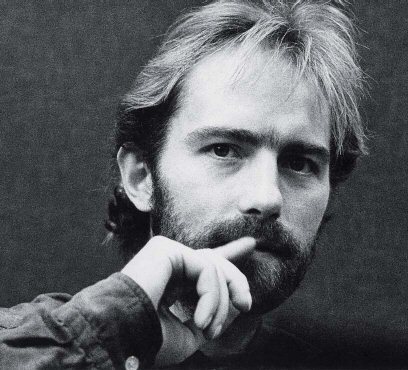
 View Artist