Song Meaning
The lyrics paint a picture of a bittersweet farewell, where the speaker urges their departing loved one to embrace their freedom and enjoy themselves. There's an immediate tension between the stated desire for the other person to "have a good time" and the underlying "I hate to see you go" and "I'll miss you, dear, I know." This creates a complex emotional landscape, suggesting a forced magnanimity masking genuine sadness.
The central conflict lies in the speaker's attempt to reconcile their own pain with the perceived needs of the person leaving. They encourage the other to "have your fling, be gay with your new love" and "dance and sing," even telling them to "forget that I'm alive." This is a profound act of self-abnegation, driven by the belief that their own sorrow would be a burden. The phrase "It's your holiday" frames the departure as a celebratory event for the other, further emphasizing the speaker's sacrifice.
The most striking aspect is the conditional nature of the speaker's enduring affection. While they push the departing person away with words of encouragement for their new experiences, there's a clear promise of return: "Remember that I'm waiting to welcome you home." This isn't just about letting go; it's about waiting for the inevitable return once the "reckless and carefree" phase wears thin. The repetition of "have a good time" underscores this plea, making it sound almost like a desperate hope that the good times will eventually lead back home.
Ultimately, the effectiveness of these lyrics stems from their raw, almost contradictory emotional honesty. The speaker’s words are a performance of strength and generosity, but the cracks in that facade reveal a deep well of love and a quiet, persistent hope. It’s this delicate balance between letting go and holding on, between the spoken words and the unspoken feelings, that makes the farewell so poignant.
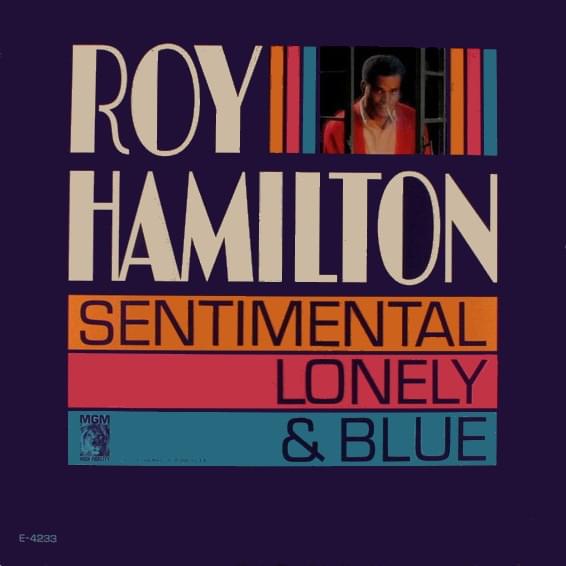
 View Artist