Song Meaning
The narrator is making a desperate plea from a position of extreme vulnerability, declaring a defiant rise from a low point. They identify themselves as "the one down on the floor," a striking image of defeat or despair. Yet, this is immediately followed by a powerful assertion: "I ain't down no more." This contrast sets up a narrative of overcoming, even as the narrator admits to being "just about to lose my mind."
The core tension seems to stem from a profound existential realization, hinted at by finding "something that started at the end of time." This suggests a shift in perspective, perhaps a glimpse of ultimate truth or a profound understanding of life's cycles. The lyrics juxtapose this cosmic insight with the raw, immediate human experience of fear and mortality, stating "We walk in fear and we can't turn" and the stark "you live, I die."
The craft here hinges on stark contrasts and cyclical imagery. The repeated "Remember me, I'm the one down on the floor" grounds the listener in the initial state of suffering, while the subsequent lines "Merry me, merry you" and "I've seen this road on the other side" suggest a transcendence or a new perspective gained. The final line, "We live, we cry, we're born and die," echoes the earlier "We laugh, we cry, you live, I die," reinforcing the cyclical nature of existence that the narrator appears to have grasped.
This lyrical approach is effective because it grounds abstract existential dread in a visceral, personal declaration. The narrator's journey from the floor to a place of profound, albeit grim, wisdom is compelling. The stark pronouncements about life and death, coupled with the plea to be remembered, create a powerful emotional resonance, capturing the feeling of having faced oblivion and returned with a changed, perhaps unsettling, understanding.
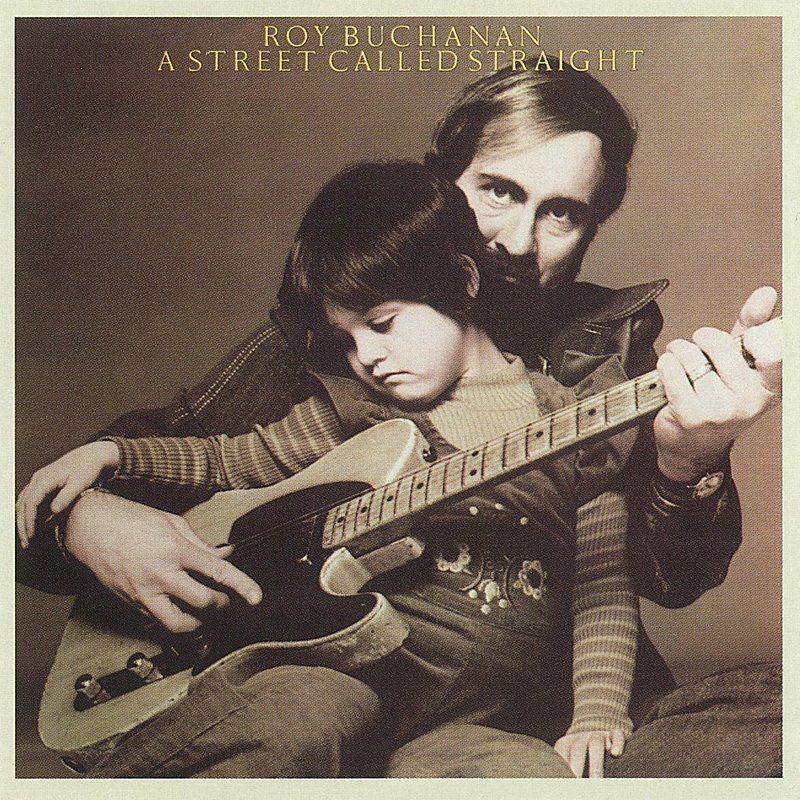
 View Artist