Song Meaning
The lyrics paint a stark picture of profound loneliness and despair, anchored by the recurring refrain, "Without your love, ain't it a shame." The opening verses establish a sense of isolation, where even the predictable markers of daily life – midnight, the mailman – pass by unnoticed, amplifying the feeling of being forgotten. This isn't just sadness; it's a deep-seated emptiness that makes the absence of love feel like a fundamental flaw in existence.
The central tension arises from the narrator's overwhelming sense of worthlessness and the inability to escape it. The imagery of "morning comes stealing" and the feeling that "nobody wants you anymore" directly leads to the raw admission of wanting to be dead, especially when the narrator acknowledges their own culpability ("When you're to blame"). This self-awareness, coupled with the inability to stop tears from pouring, highlights a desperate internal struggle.
The most striking aspect of the craft is the relentless repetition of the phrase "ain't it a shame," particularly in the outro. This isn't just a lament; it becomes a mantra of despair, a confirmation of the narrator's bleak outlook. The simple, almost childlike phrasing contrasts sharply with the dark themes of isolation and suicidal ideation, making the emotional weight even heavier. The consistent use of "calling your name" also emphasizes the core issue: a lack of recognition and connection.
Ultimately, these lyrics resonate because they capture a specific, agonizing brand of heartbreak. It's the kind of pain that makes the world feel hollow and makes one question their own right to exist. The directness of the language, devoid of complex metaphor but rich in emotional honesty, forces the listener to confront the raw vulnerability of feeling utterly alone and unloved.
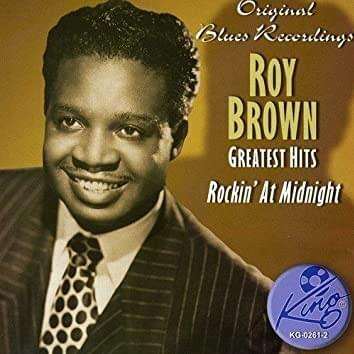
 View Artist