Song Meaning
The lyrics present a striking sense of detachment, almost a shrug, in the face of life's possibilities and societal pressures. The opening lines list diverse paths one might take – boy or man, woman or bold sailor – but immediately dismiss their significance with the repeated refrain, "Tanto faz" (It doesn't matter). This sets a tone of weary resignation, suggesting that the specific choices made are less important than the overarching desire for peace.
The central tension seems to lie between the chaotic, often violent, nature of the world and a yearning for tranquility. The phrase "Dar na cabeça ou dar" (Hit the head or give) is particularly jarring, hinting at conflict or perhaps a more ambiguous act, juxtaposed with the idea that "Gente querendo paz" (People wanting peace) will always be present. This creates a disquieting contrast between potential aggression and the persistent human wish for calm.
The writing cleverly uses repetition to hammer home this feeling of indifference. The constant return to "Tanto faz" acts as a mantra, neutralizing the weight of different life choices and external information, like the "sensação dos jornais" (feeling of the newspapers). The narrator's decision to "fazer meu cartaz" (make my own poster) while refusing to read the news suggests a deliberate turning away from external narratives in favor of personal expression, even if that expression is framed by indifference.
Ultimately, the effectiveness of these lyrics stems from their raw, almost nihilistic honesty. By stripping away the perceived importance of individual actions and external validation, the song taps into a deep-seated weariness. The repeated, almost chanted, "Na, na, na" further emphasizes this feeling of disengagement, leaving the listener with a potent sense of emotional detachment that is both unsettling and strangely cathartic.
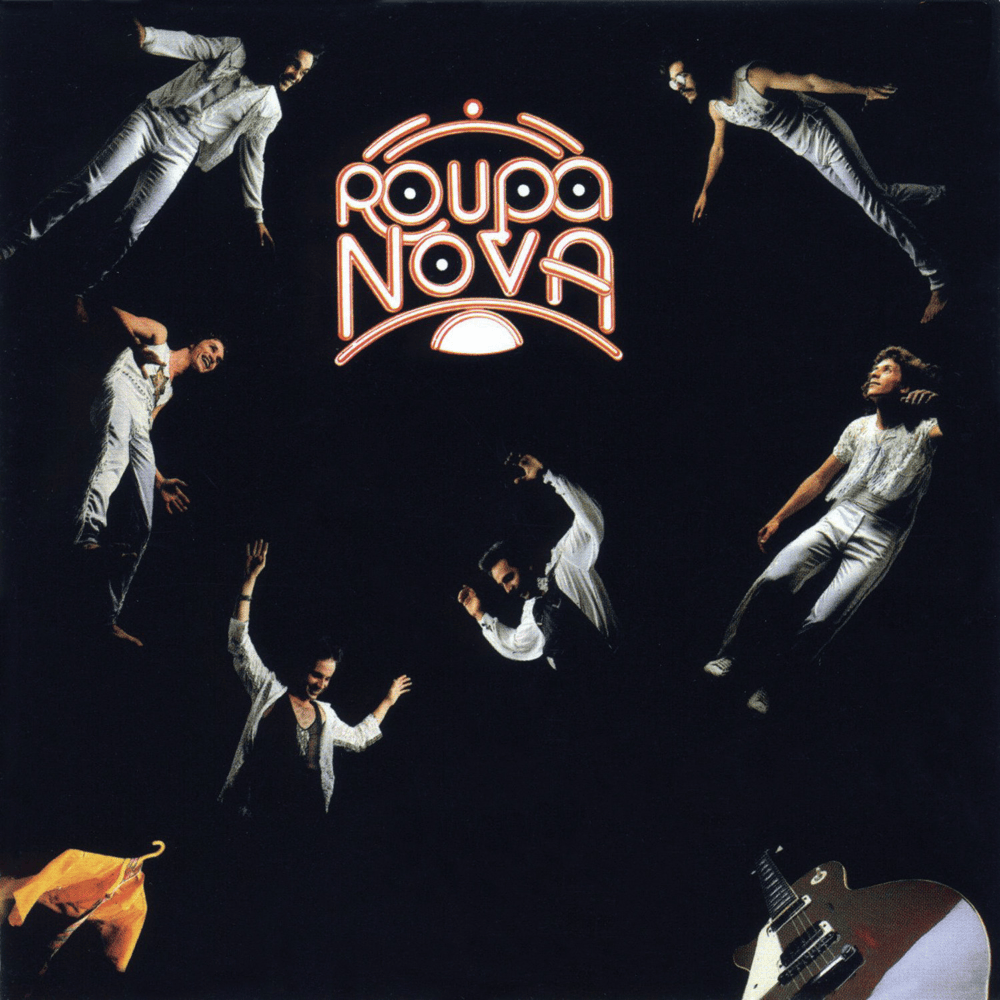
 View Artist