Song Meaning
The lyrics open with a speaker recalling a past relationship where their efforts were unappreciated, marked by the repeated phrase "Que pena." Now, the dynamic has flipped, and the speaker confidently rejects a former lover's renewed interest. There's a clear sense of a power shift and a firm dismissal.
The core tension lies in the former lover's belated attempt to reconnect after having "nem me deu valor" previously. The speaker highlights this irony, noting how the ex now wants to give them a kiss and claims them as "sua mina." This contrast between past neglect and present desire fuels the speaker's assertive stance.
A pivotal transformation is articulated through the powerful declaration, "Hoje eu sou mulher." This isn't just about age; it signals a profound shift from being a "menina" (girl) to a "mulher" (woman), indicating self-perception and maturity. The speaker further emphasizes this growth by stating they are now "gatinha" (cute/hot) and "no ponto" (on point), while the ex is "passou da hora" (past their time), vividly illustrating a missed opportunity.
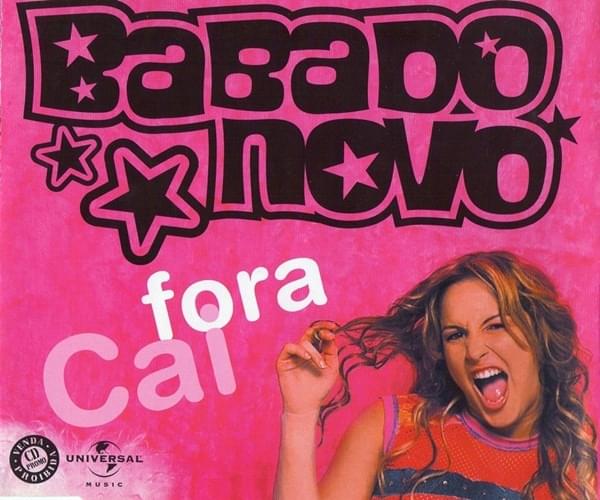
The effectiveness of these lyrics comes from their direct, no-nonsense language and the satisfying arc of empowerment. The repeated "Que pena" evolves from a lament into a sarcastic, almost taunting dismissal, culminating in the blunt, definitive command "Cai fora." This journey from being undervalued to confidently asserting boundaries resonates, celebrating self-worth and the strength found in moving on.
 View Artist