Song Meaning
The lyrics immediately plunge into a raw confrontation with buried trauma, as the speaker declares, "Now I can see how deep these scars go." This isn't a gentle reflection but a forceful unearthing of past pain. The imagery of having "strangled my soul" and a mind that "hid everything beneath the heart" paints a vivid picture of active, almost violent, self-suppression.
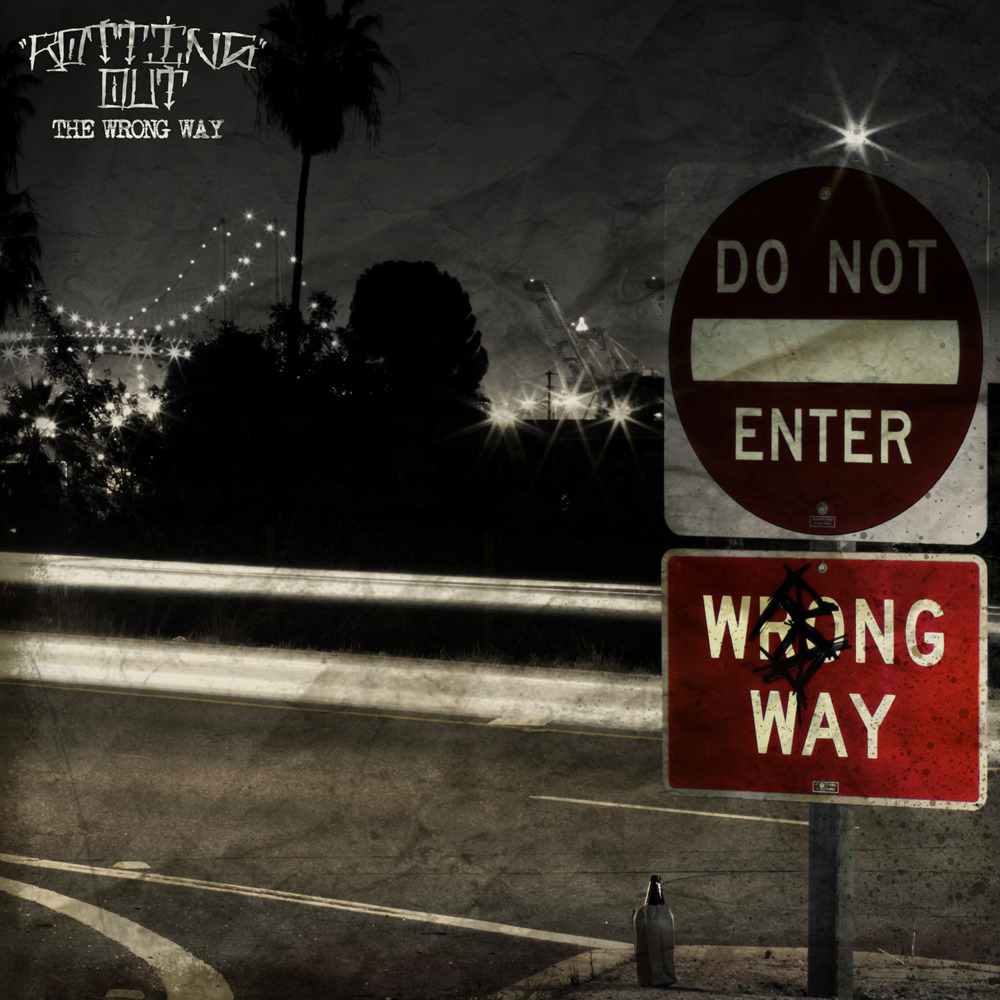
The central tension here is a brutal push-pull between a yearning for lost innocence and a cynical acceptance of a harsh reality. The speaker acknowledges past naivety, even wishing to be "still that boy," but immediately rejects this with a sharp "No." This internal conflict is further amplified by the stark realization that "The "wrong" knew how to survive," while ""Right" never spoke my name," suggesting a world where conventional morality offered no viable path.
The craft truly shines in its visceral similes and direct, almost confrontational language. Memories aren't just recalled; they're "regurgitated... like a flying deck of cards," conveying a chaotic, uncontrolled release. Even more impactful is the admission of "suffering from bad habits like an old man drug addict." This isn't a fleeting youthful indiscretion; it's a deeply ingrained, debilitating affliction that suggests a long, weary battle.
Ultimately, these lyrics hit hard because of their unflinching honesty and refusal to romanticize a difficult past, even while briefly longing for it. The speaker's journey from buried pain and cynical resignation to a defiant "I can't let it end like this" offers a powerful, albeit fragile, note of resistance. It's the raw, unvarnished language and the stark contrasts that make this internal struggle feel so immediate and resonant.
 View Artist