Song Meaning
The lyrics paint a stark picture of upheaval and liberation, beginning with a sense of oppressive force met by resilience. The "north strongest wind" and "high wall" suggest an insurmountable obstacle, yet the "captive will survive" and "free he will revive," hinting at an inner strength that transcends physical confinement. This sets the stage for a dramatic transformation, moving from a state of subjugation to one of active rebellion and eventual triumph.
The narrative escalates with the imagery of a journey "from town to town" and a gathering of an "army / Of poor and miserable." This suggests a movement that mobilizes the downtrodden, leading to catastrophic change, an "earthquake" that results in widespread death. The "big theatre / Filled with a crowd" being "creaked" implies a grand, perhaps performative, societal structure that is on the verge of collapse under immense pressure.
The climax arrives with potent symbols of change: "Fire in the east," "Victory's feast," and the "hunting eagle / Has landed in the east." This eastern setting becomes a focal point for a decisive shift, where the old order is overthrown. The "sky is burning" and "slaves rebel," culminating in the definitive statement, "The king is dead / A new age revealed."
Ultimately, the lyrics describe a violent but necessary revolution. The "tyrants laid in earth" and "slaves unlock the chains" signify the end of oppression and the dawn of a new era. The final line, "The first field of the battle," suggests this is not an end, but the beginning of a new struggle, the initial victory in a larger fight for freedom and a transformed world.
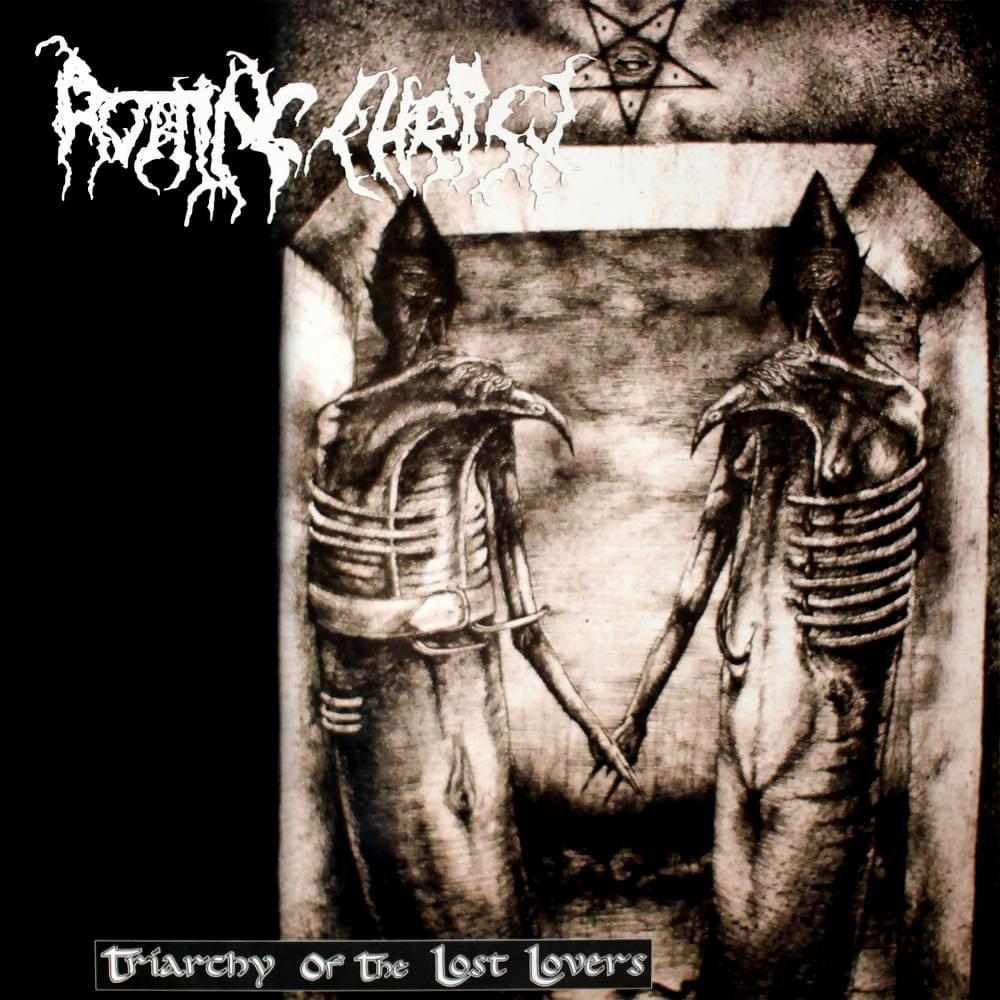
 View Artist