Song Meaning
The lyrics paint a picture of healing and self-acceptance, moving from past pain to a hopeful present. The narrator observes physical scars fading, noting, "새살이 돋은 내 뽀얀 손가락이 참 예뻐" (My pale fingers with new skin are so pretty), suggesting a tangible recovery. Even past embarrassments, like "창피한 일기" (embarrassing diary entries), are now viewed with a gentle amusement, acknowledging the strength it took to endure them. This retrospective glance includes a past love, finding a "새삼스레 반가운걸" (sudden, unexpected joy) in their name, indicating a peaceful resolution.
There's a nuanced shift in how the narrator perceives advice about time healing all wounds. Initially disbelieving adult platitudes, they concede that "반은 틀렸으니 / 절반은 정답인 것 같애" (half were wrong, so half seem to be the answer). This suggests a more mature understanding that while time alone isn't a cure, it certainly plays a crucial role in growth and perspective. The recurring phrase "확실히 어제보단 자란 것 같애" (I'm definitely more grown than yesterday) anchors this evolving self-assessment, highlighting a continuous process of becoming.
The lyrics use striking imagery to convey the persistence of memory and the nature of healing. The comparison of some memories to fingernails that "잘라도 또 자라나지" (grow again even when cut) is particularly effective. While acknowledging that "완전히 사라지진 않더라구 / 내 맘에 아직 남아있는 아픔들이" (they don't completely disappear / the pains still remaining in my heart), the narrator finds solace in the fact that "그게 나를 찔러대지는 않아" (they don't stab me anymore). This signifies a transformation where past hurts are integrated rather than actively causing pain.
Ultimately, the song finds beauty and strength in the narrative of one's own life, embracing both the flaws and the triumphs. The ability to "마주보며 웃을 수 있어" (face and smile at) the "어리고 바보만 같던 날" (days when I was young and foolish) is a testament to this self-compassion. The contrasting actions of "Turn in down" for painful sounds and "Turn in up" for joyful ones further illustrate the conscious effort to curate one's inner and outer experience, leading to a hopeful anticipation of "Beautiful days" and a sense of having "오른 것 같애" (risen/improved).
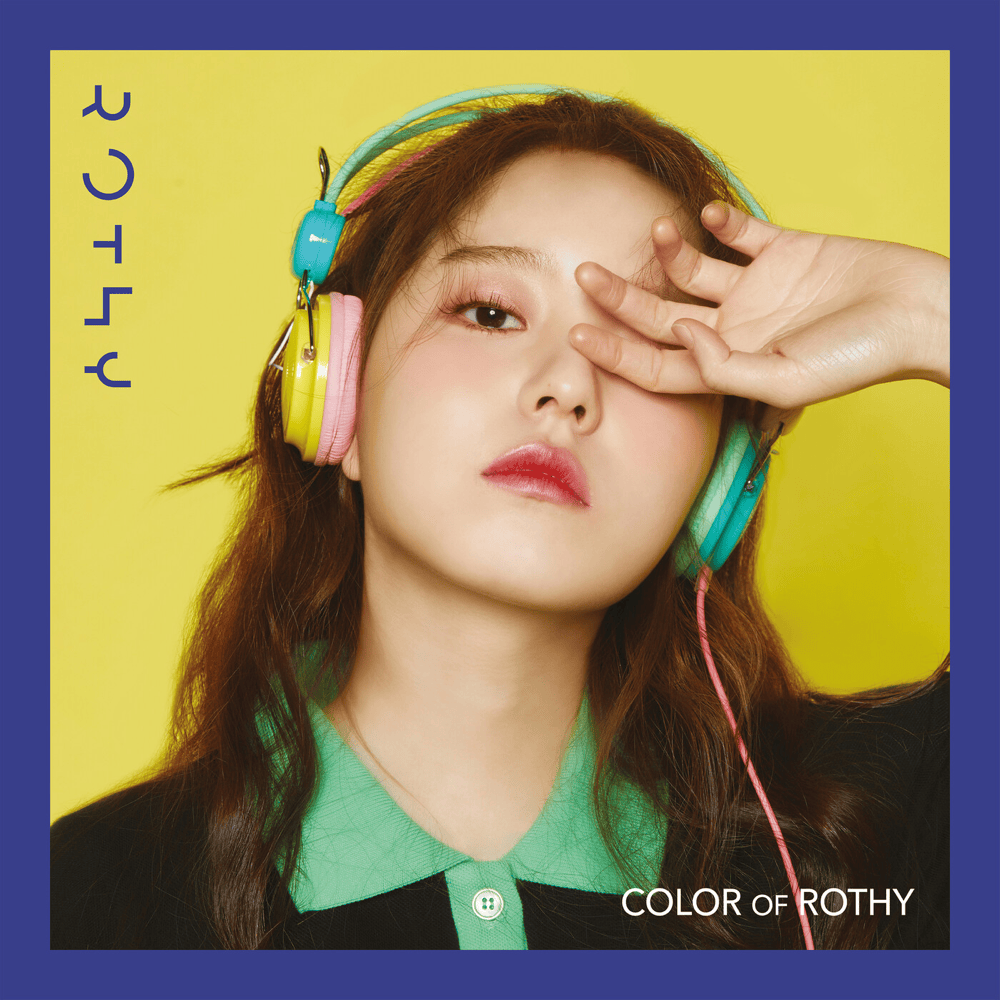
 View Artist