Song Meaning
The lyrics paint a surreal, apocalyptic scene, beginning with a fleeting, ominous sound and a sense of impending doom. The narrator witnesses entities gliding through an "endless day," their presence signaling a critical juncture. This is immediately followed by the stark pronouncement that "the world had died and no-one saw," establishing a profound disconnect between a catastrophic event and collective awareness. The tone is one of bewildered dread, as the narrator grapples with a reality that has fundamentally shifted without recognition.
The central tension arises from the narrator's isolation in perceiving this collapse. While the "darker sound" and the entities' knowing "smile" suggest a deliberate, perhaps even indifferent, transition, the surrounding world remains oblivious. The image of a "Chinese band" marching "in fours" and tearing flowers from the narrator's hand is particularly jarring, representing a forceful, organized disruption that further alienates the narrator and signifies the destruction of natural beauty or innocence. This act underscores the feeling of being a sole witness to an unfolding tragedy.
The repeated refrain, "Hey I hate the picture, 1969," is a powerful anchor in the lyrical chaos. The "picture" itself seems to represent the narrator's perception of this catastrophic event, a memory or a vision they cannot escape and deeply resent. The year "1969" is thus imbued with a negative, almost cursed significance, not as a nostalgic marker but as the backdrop to a profound loss. The narrator's attempt to capture the "night" in "black and white, in colours too" suggests a desperate effort to comprehend or document the inexplicable, a futile attempt to reconcile the irreconcilable.
Ultimately, the effectiveness of these lyrics lies in their potent blend of the abstract and the concrete, creating a disorienting yet emotionally resonant experience. The juxtaposition of cosmic dread with bizarre, specific imagery like the marching band and the "hundred tongues" shouting creates a unique sense of psychological horror. The narrator's inability to stand, sinking to the floor, and the panicked cries of "We can't get out" amplify the feeling of helplessness, making the perceived death of the world a deeply personal and terrifying ordeal.
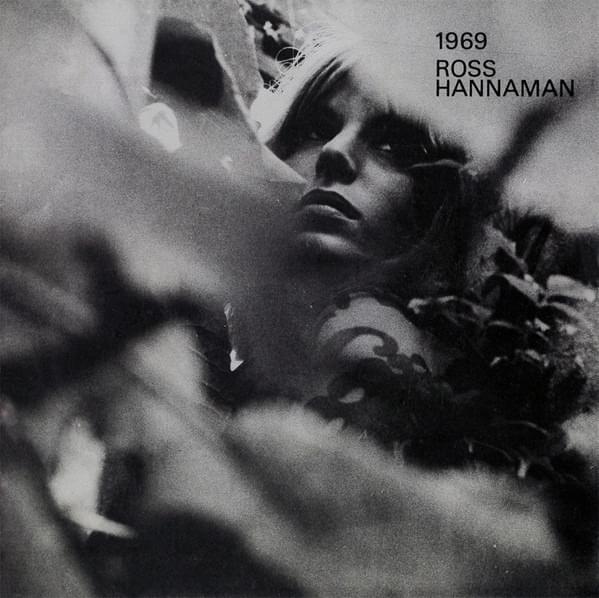
 View Artist