Song Meaning
Rosie Thomas's "Forbidden Love," ostensibly from "The Lesbian Poets - Volume 1," strips the grand narrative of doomed romance down to its raw, psychological core. The song meaning isn't about societal barriers, but the internal struggle against vulnerability itself. Thomas frames love as an unpredictable force, an almost violent entity that "lands you on your head" or leaves you "good as dead." This isn't romantic melodrama; it's the stark acknowledgement of love's capacity to wound, a fear that precedes any external disapproval. The verses paint love as both a transcendent ideal ("a perfect poem") and a destructive force, highlighting the inherent risk in emotional exposure. It speaks to the universal fear of vulnerability, magnified within contexts where societal acceptance is already fragile. The lyrics analysis reveals a deeper layer: the internal battle between yearning and self-preservation.
The chorus, if it can be called that, offers a paradoxical surrender: "Don't try to fight it/ There's nothing you can do." This isn't passive resignation, but a recognition of love's overwhelming power. It bypasses the external "forbidden" element and focuses on the internal helplessness when confronted with genuine desire. The latter half of the song shifts to direct address, a plea for acceptance and reciprocation: "Do not run/ Do not resist me." This is where the song transcends simple romantic longing and becomes a powerful statement of intent. The speaker isn't just seeking affection; they're demanding to be seen, to be heard, to be acknowledged without shame or fear.
Ultimately, "Forbidden Love" uses the framework of societal disapproval to explore the more fundamental human fear of emotional exposure. The lyrics suggest that the true obstacle isn't the external world, but the internal resistance to vulnerability. The song's power lies in its directness, its willingness to confront the raw, often painful reality of desire, and its insistence on claiming space for that desire, regardless of the consequences. Rosie Thomas delivers a message about the courage required to overcome the internal barriers that prevent authentic connection. The song meaning is a powerful testament to the complexities of love, both allowed and disallowed.
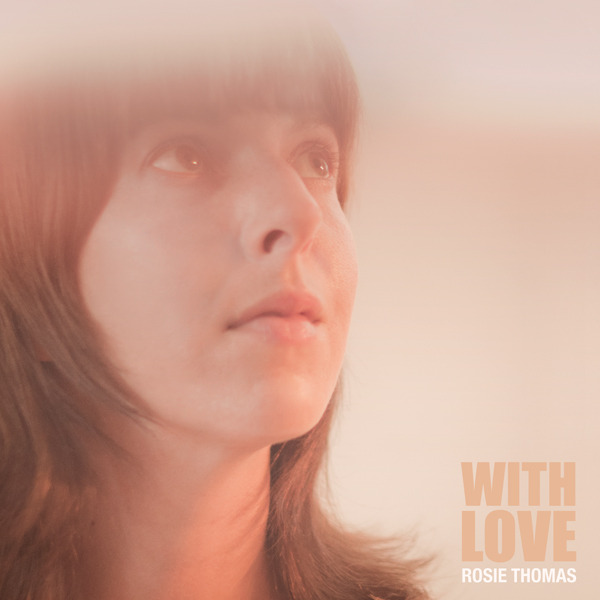
 View Artist