Song Meaning
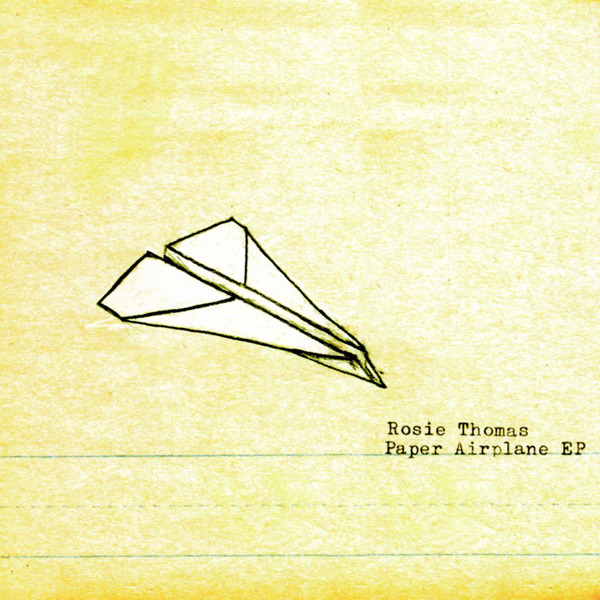
{"song_id": 12054612, "meaning": "Rosie Thomas's \"Paper Airplane\" isn't a soaring anthem of escape, but a delicately folded wish struggling against the gravity of unspoken feelings and misdirected affections. The opening lines, \"I wish he could see / How beautiful he is to me,\" immediately establish a chasm between the singer's perception and the subject's self-awareness, a core tension that permeates the song. This unrequited admiration is further complicated by the desire to both connect and detach: \"I wish I could stay out of his way / But that's much too hard for me.\" It’s a relatable emotional tightrope, balancing attraction with the self-protective instinct to avoid potential rejection. The central metaphor of the paper airplane encapsulates this fragile hope for escape and connection. It's childlike in its simplicity, suggesting a yearning for a simpler, less complicated reality.
The dynamic between the two characters, revealed in the second verse, adds another layer of complexity to the song's meaning. He confides in her, elevating her to the role of confidante and, perhaps, even savior (\"Calls me his Martin Luther King\"). This suggests a deep level of trust and vulnerability on his part. However, the singer's response is far more ambiguous. She admits to calling him by the wrong name, a Freudian slip that hints at a subconscious misdirection of her affections. This lyrical detail implies she's projecting idealized qualities onto him that he may not actually possess, or that she's confusing him with someone else entirely. This also creates a power dynamic where she is not as open and honest as he is.
Ultimately, \"Paper Airplane,\" through its poignant lyrics analysis, explores the bittersweet nature of longing and the inherent imperfections of human connection. It's a song about the delicate balance between hope and resignation, the yearning for a shared escape that may never materialize. The paper airplane becomes a symbol not just of flight, but of the fragility of dreams and the often-unsuccessful attempts to bridge the gaps between our inner worlds and the realities of relationships."}
 View Artist