Song Meaning
The narrator confronts someone claiming religious redemption, drawing a sharp line between divine forgiveness and personal refusal. The opening lines immediately establish a defiant stance against the idea of a clean slate, rejecting the plea to "forgive and forget." The focus is on the tangible harm done, with the visceral command "Don't you be touchin' me" underscoring a deep-seated aversion and a desire to sever all contact, directing the offender to "touch all those women you've met" instead. This sets up a powerful contrast between the speaker's enduring pain and the other person's claimed spiritual renewal.
The central tension lies in the irreconcilable difference between the offender's spiritual rebirth and the narrator's lived experience of abandonment and neglect. The chorus hammers this home: "God may forgive you but I won't." This isn't just about holding a grudge; it's about the practical reality of who has to bear the consequences. The line "They don't have to live with you, neither do I" highlights the speaker's refusal to endure the offender's presence or the fallout of their actions any longer. The defiant declaration, "You say that you're born again, well so am I," reclaims that spiritual language, suggesting the narrator has also undergone a transformation, one that involves shedding the burden of the offender's past.
The lyrics masterfully employ a stark, almost biblical contrast between heavenly absolution and earthly retribution. The second verse details the practical fallout of the offender's absence, painting a picture of the narrator stepping up to fill a void: "The kids used to cry for you / I had to try to do / Things that a dad should do." This grounds the abstract concept of sin in concrete familial responsibility and sacrifice. The devastating line, "You may be heaven bound / But you've made one hell of a mess here at home," is a brutal indictment, showing that even if divine judgment is lenient, the damage inflicted on the speaker's immediate world is undeniable and unforgivable from their perspective.
This song resonates because it gives voice to the visceral, often unacknowledged, refusal to grant absolution when the pain inflicted feels too profound. It’s not about the morality of forgiveness, but about the speaker’s right to self-preservation and to refuse the emotional labor of reconciliation when the other party has already moved on, spiritually or otherwise. The unwavering repetition of "I won't" and "I don't" in the chorus acts as a shield, a declaration of self-sovereignty against a past that continues to wound, even as the offender seeks peace.
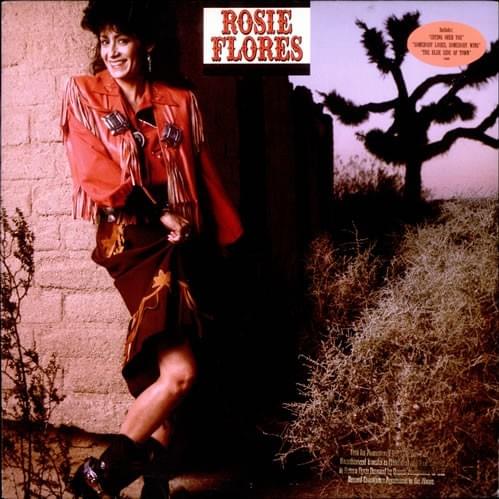
 View Artist