Song Meaning
This song offers a simple, direct affirmation: it's okay to express sadness. The opening lines establish a clear thesis: crying serves a purpose, acting as a release valve for negative emotions like sadness and anger. The repetition of "It's all right to cry" acts as a gentle, reassuring mantra, aiming to normalize an often-suppressed behavior. The lyrics suggest that this emotional release can lead to a tangible improvement in one's state of being, promising that it "might make you feel better."
The core tension lies in the contrast between the internal experience of feelings and the external permission to express them. The lyrics acknowledge that feelings can be "strange" and that they are "real things" that are constantly in flux. This acceptance of emotional fluidity is key, as it validates the entire spectrum of human emotion, not just the pleasant ones. The song directly confronts the idea that certain feelings, or the expression of them, might be deemed inappropriate or "ugly," offering a counter-narrative of acceptance.
The most striking craft element is the playful, almost childlike wordplay in the "Sad n' grumpy, down in the dumpy" section. This rapid-fire list of contrasting emotional states, delivered with rhyming, onomatopoeic sounds, mirrors the chaotic and shifting nature of feelings. It moves from negative descriptors to positive ones, culminating in "hoppy, happy," before reiterating the theme of constant change. This section, with its lighthearted delivery, disarms the potential heaviness of the subject matter, making the message of emotional acceptance feel more accessible and less prescriptive.
Ultimately, the effectiveness of these lyrics stems from their straightforward, non-judgmental approach. By framing crying and feeling as natural processes, the song provides a much-needed balm for anyone who has been taught to suppress their emotions. The spoken interjection, "It's all right to cry, little boy / I know some big boys that cry too," powerfully reinforces the message, extending validation across age and gender lines and suggesting that vulnerability is a sign of strength, not weakness.
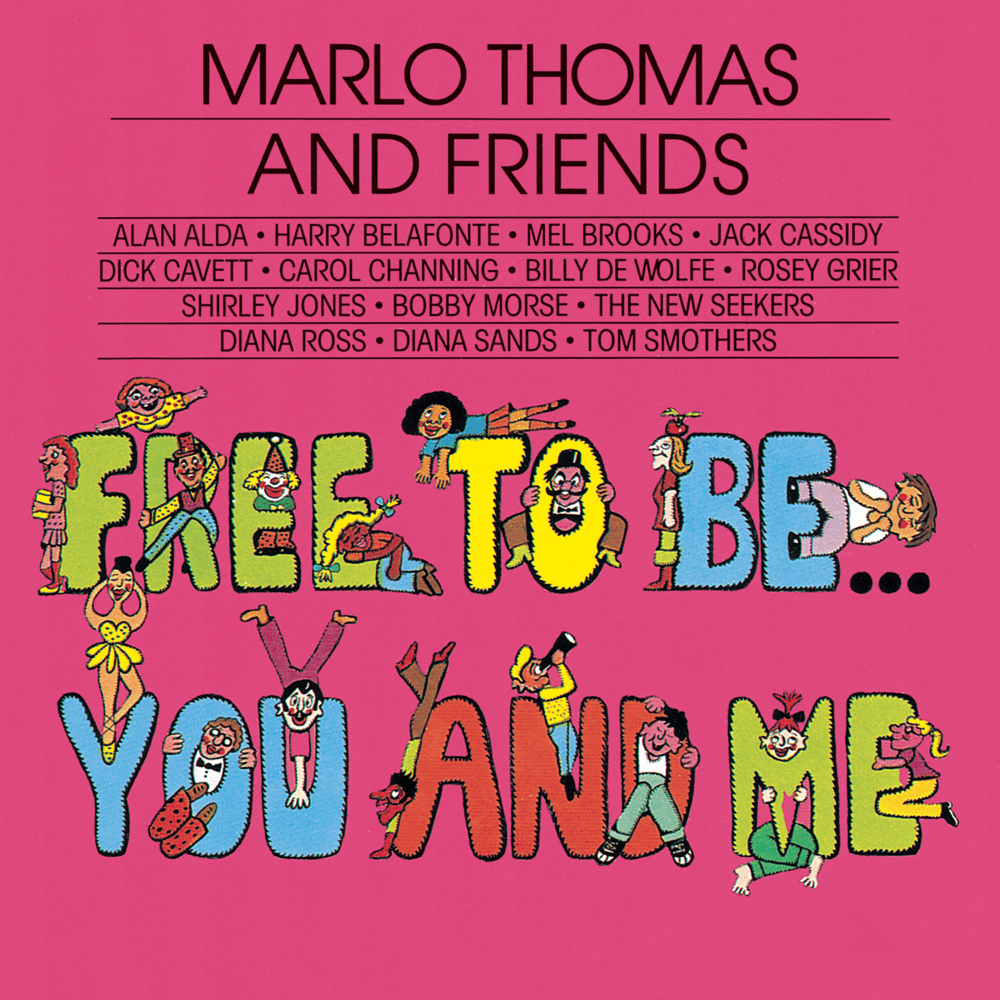
 View Artist