Song Meaning
The narrator kicks off with a vibe of pure contentment, moving through life with a gentle stride, fully present and soaking in the moments. They're not chasing anything grand, just appreciating the unfolding experience. This initial scene is one of serene self-possession, a quiet joy found in simply existing and observing the world around them.
The core tension arrives with the recurring "Veo, veo... ¿Alguien lo tiene todo hecho? Mamoneo." This phrase acts as a dismissive counterpoint to the narrator's internal peace. It suggests a perception of others who seem to have it all figured out, but the narrator labels this perceived perfection as "mamoneo" – a term implying pretense or fakery. The narrator actively rejects this, stating "No te necesito / Ni lo que cuentas," signaling a deliberate detachment from external validation or the perceived achievements of others.
The lyrics showcase a fascinating internal perspective shift. While the narrator is "inmerso en el lugar y los acontecimientos," they are also resolutely "dentro" of their own experience, observing from the inside out. They don't need external narratives or explanations: "¿Qué me vas a contar? / Ni te sigo ni lo intento." This self-contained viewpoint is further emphasized by the line "Soy un elemento / No sé ni cómo / Ni porqué me represento," suggesting an acceptance of their own existence without needing to fully rationalize it, prioritizing movement and self-preservation ("Apenas queda gas / Y mantengo el movimiento; / El que sabe se cuida").
This track hits hard because it validates a quiet, internal confidence. The narrator's refusal to engage with the perceived performance of others, coupled with their commitment to their own present moment, creates a powerful statement of self-reliance. The repeated "Veo, veo... Mamoneo!" isn't just a dismissal; it's a declaration that true satisfaction comes from within, not from fitting into some external, seemingly perfect mold.
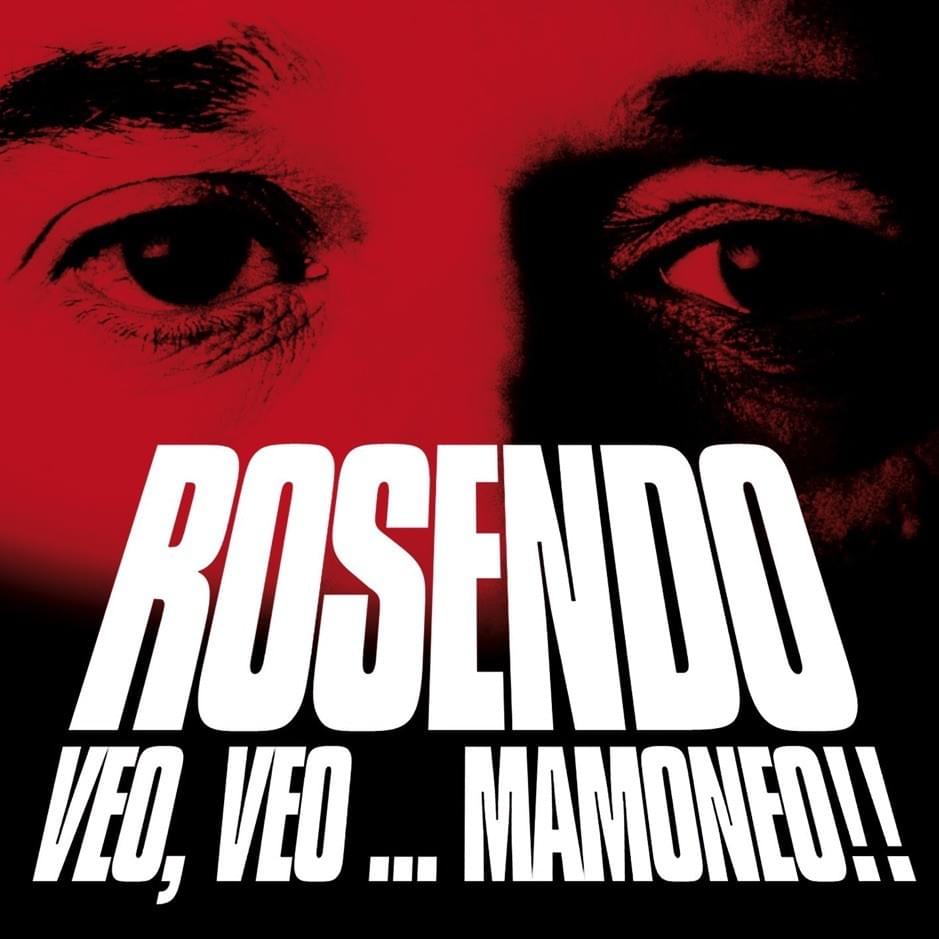
 View Artist