Song Meaning
This track opens with a stark self-assessment: "Menos que tú, más que cualquiera." It immediately establishes a complex identity, simultaneously diminished and superior, hinting at a singular, perhaps defiant, character. The narrator seems to be grappling with a sense of being both ordinary and unique, a tension that fuels the song's introspective mood.
The core of the lyrics revolves around a pervasive uncertainty, encapsulated by the repeated question, "¿Vienen o van?" (Are they coming or going?). This ambiguity extends to the subject of the song, described as "un solo acorde, una quimera" (a single chord, a chimera) and an "homenaje a lo banal" (a tribute to the banal). The narrator admits, "Yo no lo sé" (I don't know), highlighting a deep-seated confusion about the nature of people, events, or perhaps even their own existence.
The writing crafts a vivid, almost reckless, portrait of this "ejemplar de primavera" (specimen of spring). This figure "Cruza la calle sin mirar" (crosses the street without looking) and "puede largar la noche entera" (can go on all night), suggesting a life lived impulsively and perhaps carelessly. The phrase "Tiene su ciencia el alquitrán" (The asphalt has its science) adds a layer of gritty, urban wisdom to this wildness, implying a hidden order or understanding within the chaos.
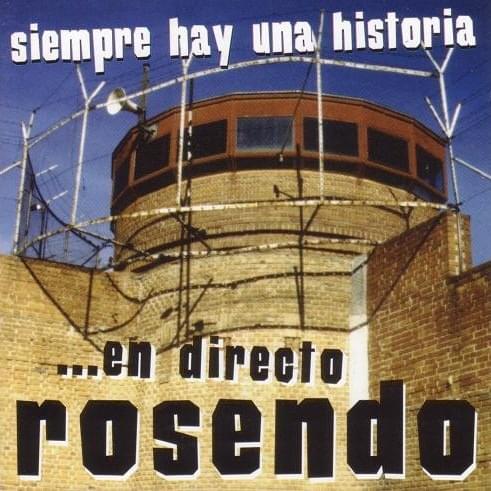
Ultimately, the lyrics resonate through their honest portrayal of bewilderment and a defiant embrace of the unknown. The narrator doesn't offer easy answers but instead captures the disorienting feeling of observing life's constant flux without clear direction. The final, abrupt "Buenas noshes, Carabanchel" grounds the abstract musings in a specific, mundane moment, leaving the listener with a lingering sense of unresolved observation.
 View Artist