Song Meaning
The lyrics paint a chilling picture of immediate, visceral danger, setting a tone of paranoia and dread. The opening lines, a stark warning, immediately establish a sense of threat, hinting at unseen adversaries. This isn't a subtle unease; it's a direct confrontation with malevolent forces.
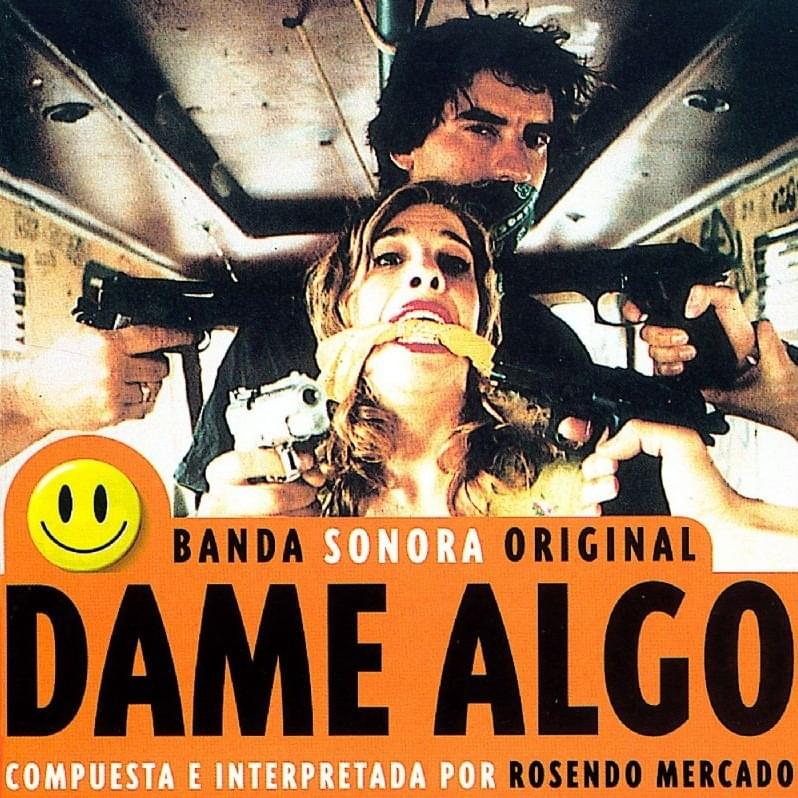
The core tension arises from the description of the "secuestradores" as "asesinos psicópatas" who are far from performing religious rites. The contrast between the expected solemnity of "misa negra" and the brutal reality of their actions – "Sin el cuerpo de la monja muerta" – underscores a profound nihilism and savagery. This juxtaposition amplifies the horror, suggesting a complete absence of morality or ritualistic pretense.
The abrupt interruption, "Oye, oye que viene el alcalde," serves as a jarring shift. It pulls the listener from the immediate, terrifying threat to a seemingly mundane, perhaps even bureaucratic, concern. This sudden pivot creates a disorienting effect, questioning what truly constitutes danger or priority in this unsettling scenario. The lyrics suggest a world where extreme violence lurks just beneath the surface of everyday life, making the mundane feel precarious.
This effectiveness stems from the stark, unadorned language and the rapid escalation of dread followed by an abrupt, almost absurd, interruption. The clipped dialogue and the graphic, yet detached, description of the kidnappers' nature create a potent sense of unease. The final line leaves the listener suspended, unsure if the mayor's arrival signifies rescue or a different kind of threat.
 View Artist