Song Meaning
The lyrics paint a stark picture of someone emerging into a harsh spotlight, facing a critical choice between intense effort and comfortable complacency. The opening lines, "Salí de la oscuridad / Ciega tozudez," immediately establish a sense of determined, perhaps blind, forward momentum. The narrator is thrust into a situation where "Todas las miradas sobre ti," creating immense pressure to perform or be consumed by the situation, with the stark dichotomy presented: "Te vas a dejar la piel / O te tira el acomodo." This sets up a central conflict between genuine struggle and passive acceptance.
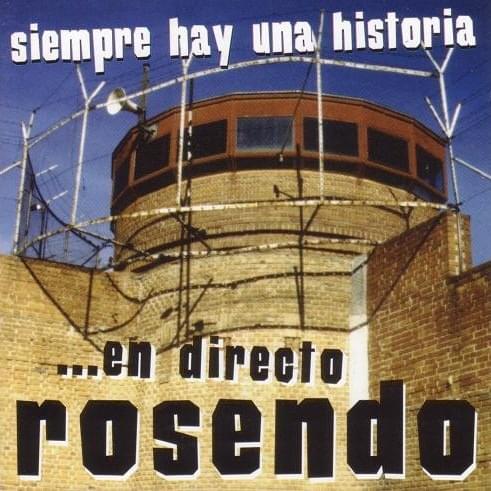
The core tension revolves around the performance of self and the inevitable consequences of one's choices. The repeated phrase "Mal, que bien / Siempre hay una historia que ofrecer" acts as a cynical refrain, suggesting that regardless of the outcome – whether good or bad – there's always a narrative to be spun or presented. This is amplified by the line "Adiós lo dijiste ya / Puesto en tu papel," implying a preordained role and a forced smile, even as the character realizes their isolation: "Te das media vuelta y ves / Como te has quedado solo." The subsequent realization, "Y al fin, da igual / Pasa lo que tiene que pasar," introduces a sense of fatalism, a resignation to fate.
The most striking element is the jarring shift in perspective and tone in the verse beginning "Tiеnes mucho rato para atarte los zapatos." Here, the narrator seems to adopt a more aggressive, almost taunting stance towards someone perceived as complacent or indifferent. The lines "Dame algún fleco que te estoy haciendo un hueco / Todo te da igual porque no eres diferente" suggest a deep-seated frustration with this other person's perceived lack of engagement. The narrator's own focus is on survival or advancement, as indicated by "Quítate de enfrente que yo estoy mirando al plato," highlighting a competitive, self-serving drive amidst the existential pronouncements.
Ultimately, the effectiveness of these lyrics lies in their unflinching portrayal of a high-stakes environment where authenticity clashes with performance, and individual agency battles against a sense of predetermined fate. The cyclical nature of the chorus, coupled with the sharp, almost brutal imagery, creates a potent emotional landscape. It captures the feeling of being scrutinized, the pressure to maintain appearances, and the eventual, perhaps weary, acceptance that stories will always be told, regardless of the truth behind them.
 View Artist