Song Meaning
This track kicks off with a raw, almost confrontational entry, "Entrando a saco y sin pomada." It paints a picture of someone arriving with no pretense, perhaps even in a desperate or forceful way, "con el culo en la pared." The phrase "Dan la cara, ¡doy fe!" suggests a defiant acknowledgment or a bold presentation of self, even in a vulnerable position. It sets a tone of unvarnished reality, where appearances are made regardless of comfort or preparation.
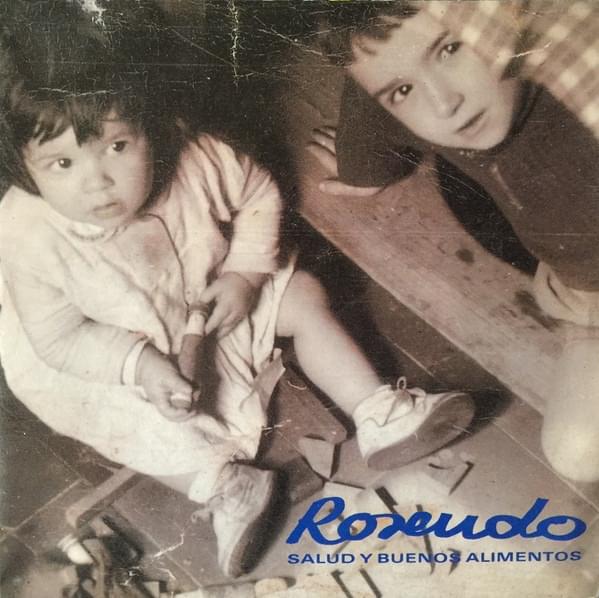
The core of the song revolves around the repeated refrain: "Salud y buenos alimentos / Derecho de pernada / Que sople el viento / A donde más caliente el Sol." This juxtaposition is striking. "Salud y buenos alimentos" evokes well-being and basic sustenance, a positive aspiration. However, it's immediately followed by "Derecho de pernada," a historical feudal right of a lord to sleep with a bride on her wedding night, implying a violation of rights and a power imbalance. The imagery of the wind blowing "A donde más caliente el Sol" suggests a desire for warmth, comfort, or perhaps escape to a more favorable, sunnier place, but the preceding lines cast a shadow of exploitation over this simple wish.
The lyrics then introduce a contrast in human behavior: "Algunos niegan como muros otros no / Son más chulos y con mucha devoción." Some people are stubbornly resistant or in denial, while others are more brazen and devoutly express their gratitude. This highlights a spectrum of responses to life's circumstances, from stoic refusal to ostentatious faith. The narrator seems to observe these different approaches, perhaps questioning the sincerity or effectiveness of each in the face of the underlying tensions presented in the chorus.
The final verse introduces an element of unexpected trouble: "Y a veces llega la avería ¡yo que sé! / Porque un día la tenían que tener / Todo sea para bien." This acknowledges that breakdowns or problems are inevitable, perhaps even deserved or expected at some point. Yet, there's a resigned, almost hopeful conclusion: "Todo sea para bien" – may it all be for the best. The song's power lies in this blend of gritty realism, the unsettling implication of violated rights within the pursuit of basic well-being, and a final, somewhat weary acceptance of life's inevitable disruptions.
 View Artist