Song Meaning
The narrator describes a scene of forced contentment, swallowing their portion without fuss while everyone else is happy and they're left with indigestion. This internal discomfort contrasts sharply with the outward appearance of satisfaction, suggesting a deep-seated unease that disrupts their sense of self and leads to a prolonged, aimless wandering through a "station." This feeling of being out of sync, of experiencing a personal "indigestion" amidst collective joy, sets a tone of quiet desperation.
The core tension lies in the repeated phrase "Puede que..." (It may be that...), which casts a shadow of doubt over any potential for positive change or escape. The possibilities presented are all bleak: "se pudra la ilusión" (the illusion rots), "no salga de mi asombro" (I don't emerge from my astonishment), and the most passive of all, "me quede como estoy" (I remain as I am). This refrain hammers home a sense of resignation, a feeling that even the possibility of improvement is fading.
The lyrics masterfully employ a sense of cyclical futility. The narrator is "vuelto a la realidad, repuesto el cuerpo" (returned to reality, the body recovered), only for the situation to worsen: "Se amplía el cerco y todo pierde su valor" (The siege expands and everything loses its value). This continuous loop, "Así una y otra vez, continuamente" (Thus, time and again, continuously), underscores the feeling of being trapped in a "vieja tradición" (old tradition) of disappointment and stagnation.
What makes these lyrics so potent is their stark portrayal of internal struggle against an indifferent or even hostile external reality. The contrast between the outward "contentos" (happy) and the narrator's internal "indigestión" (indigestion) is visceral. The relentless repetition of the uncertain "Puede que..." creates a suffocating atmosphere, leaving the listener with a profound sense of the narrator's inescapable predicament.
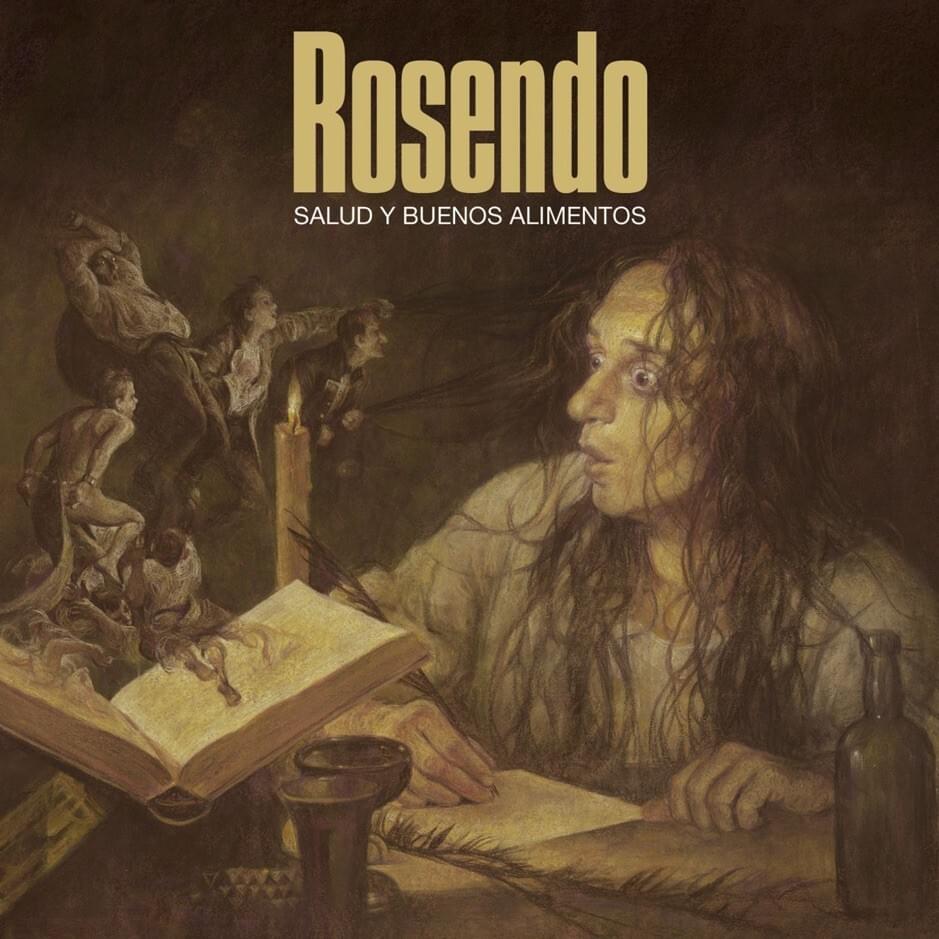
 View Artist