Song Meaning
The narrator declares a radical shift in behavior, aiming to become "a smart kid" who won't be fooled again. This newfound assertiveness comes with a deliberate choice to be "a little impertinent" and even disliked, a stark contrast to their previous compliance. The core of this transformation lies in a defiant stance, where the narrator embraces the role of an "enemy" actively "shooting fig bread," a peculiar and potentially harmless yet pointed weapon. This imagery suggests a playful but firm rejection of past manipulation, signaling a commitment to moving forward with unyielding resolve.
The central tension arises from the narrator's conscious decision to provoke and disrupt. They intend to be "intermittent" with smiles and constantly interrupt, ensuring their presence is undeniable. This is not about aggression, but about reclaiming agency by refusing to be passive or invisible. The lyrics suggest a deep-seated frustration with being misunderstood, as the narrator notes others "think I'm abnormal," yet this perceived flaw becomes a source of power. The repeated phrase "Un, dos, tres y ya no están" (One, two, three and they're gone) underscores the swiftness with which the narrator can now dismiss those who underestimate them.
The most striking craft element is the recurring image of "disparando pan de higo" (shooting fig bread). This unusual metaphor for offense is disarming, hinting at a strategy that is unconventional and perhaps even absurd to outsiders. It’s not a violent attack, but a persistent, slightly irritating, and ultimately effective way to assert boundaries. The narrator's declaration to "live like a snub, pushing forward" emphasizes this forward momentum, refusing to be held back or contained by others' perceptions or attempts to control them. The final line, "To the enemy, not even water, thanks," solidifies this new, unyielding posture.
These lyrics resonate because they capture the universal feeling of wanting to break free from being underestimated or manipulated. The narrator's deliberate embrace of being "impertinent" and "abnormal" is a powerful articulation of self-acceptance and defiance. The quirky, almost whimsical imagery of shooting fig bread makes the assertion of boundaries feel both personal and universally relatable, transforming a potentially dark theme of revenge into a vibrant, forward-looking declaration of independence and independence.
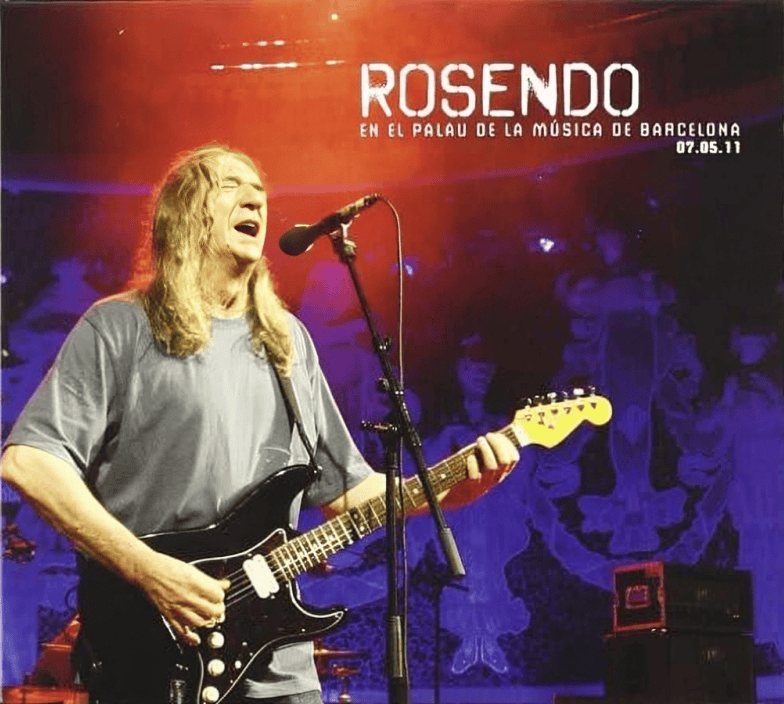
 View Artist