Song Meaning
The lyrics paint a portrait of a seemingly simple, almost naive individual, described as having "elemental marcham" and "parca erudición." This persona is presented as outwardly conventional, even a bit vain ("vano petimetre"), yet also possessing a certain primal energy ("semental"). The initial lines establish a tone of superficiality and basic understanding, setting the stage for a deeper, more complex internal or external conflict.
The core tension emerges as this simple facade clashes with a growing awareness of exploitation and oppression. Phrases like "triquiñuelas y al zurrón" (tricks and to the bag) and the direct command "que muela la muela del molino del patrón" (let the boss's mill grind the tooth) suggest an awareness of being used or ground down by a larger system. This is juxtaposed with descriptions of a more virtuous, almost saintly character ("casto y con espíritu doncel," "credo santurrón," "siempre fiel"), creating a conflict between outward compliance and an inner desire for something more authentic or just.
The most striking element is the repeated, defiant cry: "Y si duele que duela, viva la revolución." This powerful refrain transforms the earlier descriptions of meekness and adherence into a call to action. The pain of being ground down, the "muela la muela," becomes the very catalyst for rebellion. The lyrics suggest that true liberation comes not from avoiding suffering, but from embracing it as the fuel for radical change, turning personal hardship into a collective uprising.
This shift from passive acceptance to active defiance is what makes the lyrics resonate. The initial portrayal of a simple, perhaps even subservient, figure makes the eventual eruption of revolutionary fervor all the more potent. The writing crafts a narrative arc where the very act of being exploited, of having one's "tooth ground down," becomes the spark that ignites a desire for fundamental change, culminating in an anthem of resistance.
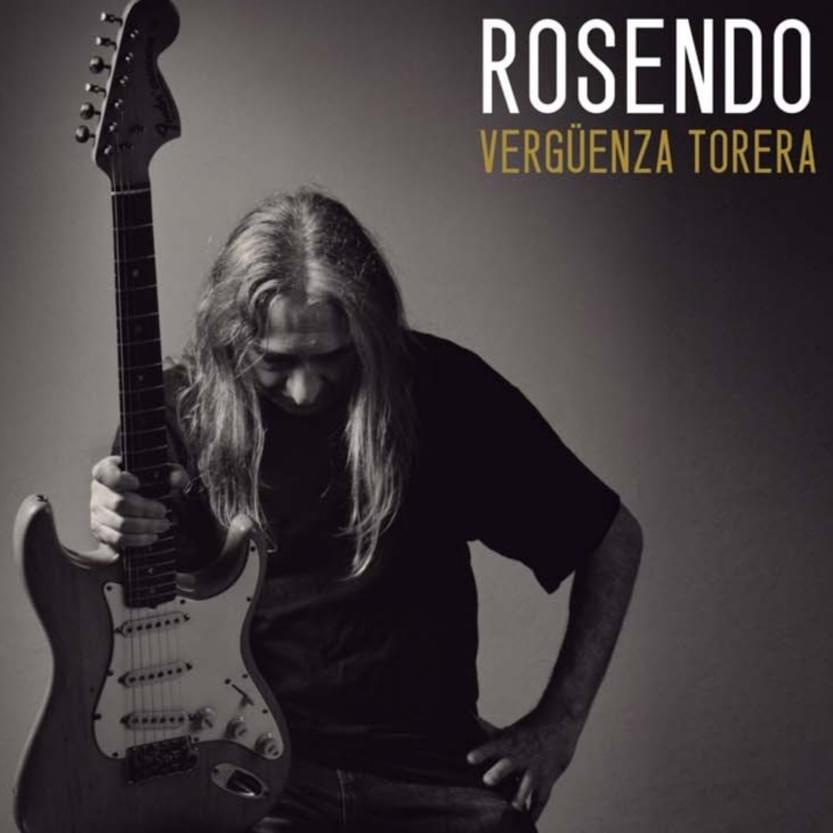
 View Artist