Song Meaning
The lyrics paint a vivid picture of someone relentlessly, almost comically, intrusive and bothersome. The narrator describes this person as "always lurking, always lurking," digging through "the trash." This establishes a tone of annoyance and disgust, portraying the intrusive figure as something unpleasant and unwanted, constantly rummaging through discarded or undesirable things.
The central tension arises from the narrator's exasperation with this persistent, disorienting presence. The intrusive person is called a "clumsy, disoriented bloodhound," someone who "provokes dislocation." Their attempts to focus on "the blur" are futile, highlighting their ineptitude and the chaotic effect they have on the narrator's peace of mind. This creates a dynamic of being hounded by someone who doesn't even understand what they're looking for.
The recurring phrase "Tanta basurilla / Cala hasta los huesos" (So much trash / Reaches the bones) is a powerful image of contamination. It suggests that the intrusive person's negativity and unpleasantness aren't just superficial; they have a deep, corrosive effect. The narrator's advice, "Hazte mirar eso" (Get that looked at), is a sharp, dismissive command, implying the intrusive behavior is a sickness that needs professional attention, rather than something the narrator will tolerate.
Ultimately, the lyrics derive their impact from this relentless, almost absurd portrayal of an irritating pest. The narrator's sharp, dismissive language, coupled with the visceral imagery of trash and sickness, effectively communicates a profound sense of being fed up. The repeated call to "get that looked at" serves as a final, cutting dismissal of the intrusive presence, framing their behavior as pathological and beyond the narrator's concern.
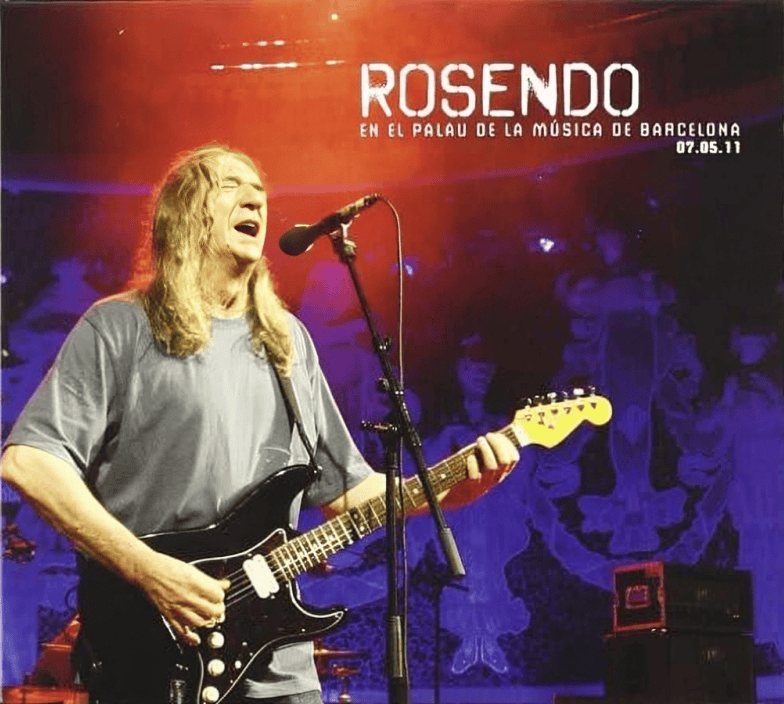
 View Artist