Song Meaning
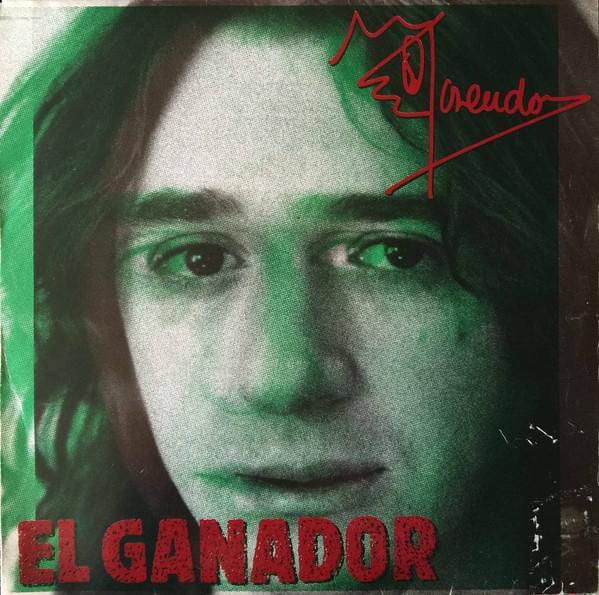
The lyrics paint a picture of someone addressing a perceived rival, someone who believes they've already won. The opening lines, "Aunque le cuadre, no me ladre buen señor / Ya sabemos de su parte que es el ganador," immediately establish a tone of dismissive confidence, suggesting the narrator sees through the rival's posturing. There's a clear invitation to the rival to finally confront reality: "Quítese la venda cuando tenga la ocasión." This isn't about a genuine competition, but about the rival's self-deception.
The core tension lies in the narrator's assertion of superiority, not through direct confrontation, but by pointing out the rival's perceived limitations and the narrator's own readily available alternatives. The repeated imagery of climbing a hill and receiving an ovation, "Súbase la cuesta y si lo aguanta de un tirón / Dé la vuelta al ruedo recogiendo la ovación," feels like a sarcastic instruction, a challenge to prove their supposed victory. Yet, the narrator undercuts this with a simple, cutting remark: "Que en la esquina de mi calle encuentro uno mejor."
The lyrics cleverly contrast the rival's supposed grand achievement with mundane details, hinting at a hollow victory. Phrases like "De niño pijo a sueldo fijo, un carrerón" and "Aplicado en el dictado, sol, fa, mi, re, do" suggest a life of conventional, perhaps uninspired, success. The line "Es una pena que la cena se enfrió" implies that the rival's moment, or their perceived victory, has passed, leaving something cold and unfulfilled. The narrator seems to be saying the rival's supposed triumph is old news, and the real prize is elsewhere.
Ultimately, the effectiveness of these lyrics stems from their sharp, almost casual dismissal of the rival's perceived status. The narrator doesn't engage in a shouting match; instead, they offer a series of observations that chip away at the rival's ego. The repeated command to remove the blindfold and take the lap of honor feels less like encouragement and more like a final, pitying instruction to a performer whose act is over, especially when the narrator knows they have better options just around the corner.
 View Artist