Song Meaning
The narrator is drowning in the absence of a loved one, recalling cherished moments that now only amplify the pain of separation. The lyrics paint a picture of someone left behind, clinging to memories of a shared past that feels impossibly distant. The initial reflection on "happy hours" and "lovely afterglow" sets a bittersweet tone, immediately undercut by the raw confession: "Most of all, I miss you so."
This isn't just a casual longing; it's an all-consuming need. The narrator explicitly states, "Now that I'm lonely, I want you only," highlighting a singular focus on the departed person. The plea to "share my dream once more" and "Please come back" underscores a desperate desire to recapture a lost intimacy, suggesting the current solitude is unbearable. The repetition of "I miss you so" acts as a refrain, a constant thrum of heartache.
The core of the narrator's anguish seems rooted in a broken promise or misunderstanding. They recall a vow: "I thought that you said we'd never part." This memory clashes sharply with the present reality of being "longing for you to be near." The contrast between the stated permanence of their bond and the current separation fuels the narrator's deep sense of loss and betrayal, even if unintentional.
Ultimately, the effectiveness of these lyrics lies in their directness and emotional clarity. The simple, repeated declaration of missing someone "so" – amplified by "More than you know" – bypasses complex metaphor for a gut-punch of pure, unadulterated grief. The unwavering commitment expressed in "I'll always love you and I'll be true" further emphasizes the depth of this sorrow, making the absence feel like a profound injustice.
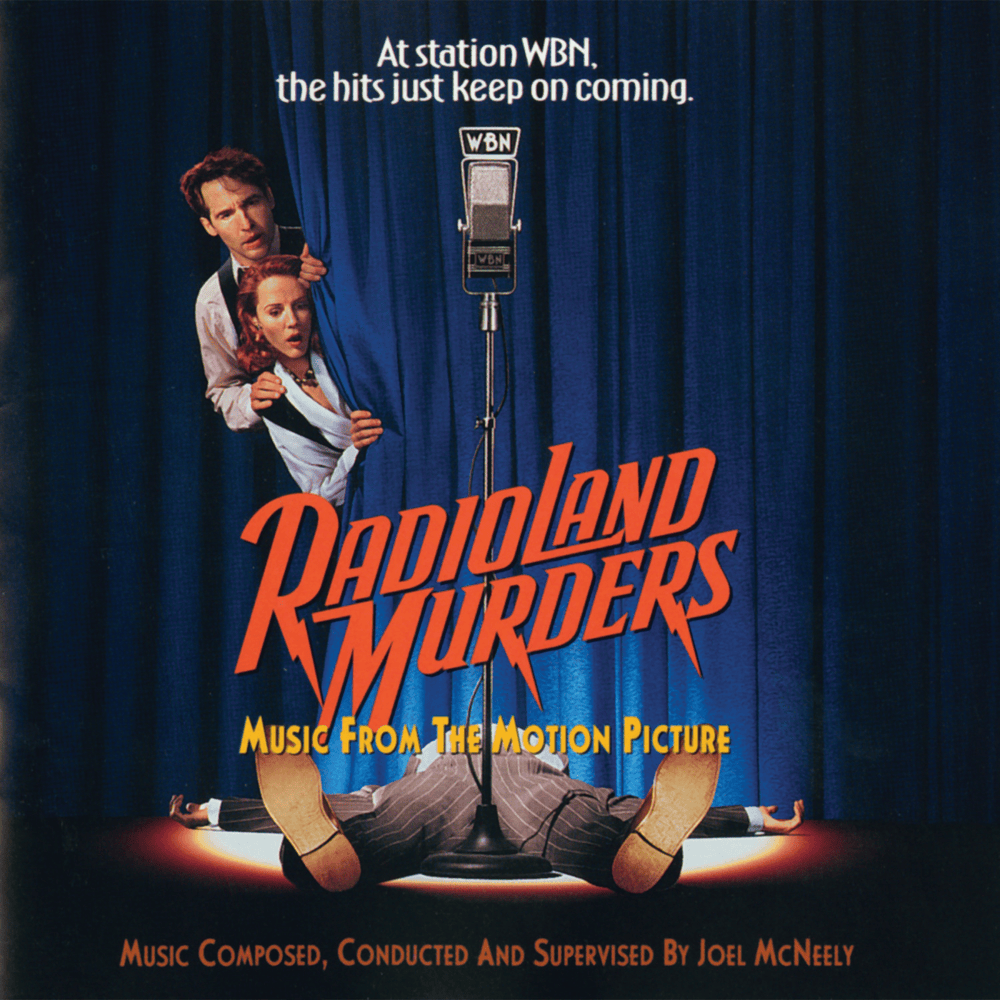
 View Artist