Song Meaning
This is our fork in the road. Love's last episode. There's nowhere to go, oh no. The narrator faces a definitive breakup, a point of no return where one person has made a choice. The immediate feeling is one of resignation, a forced acceptance of the end of the relationship.
Despite the finality, a powerful tension emerges: the narrator's promise to remain available. "Whenever you call me I'll be there." This creates a stark contrast between the relationship's declared end and the narrator's unwavering commitment to be present. It's a self-imposed limbo, a refusal to fully let go even when the other person has moved on.
The lyrics suggest a flicker of hope, a belief that the end isn't truly the end. The idea that "sparks turn into flames" and "love can burn once again" reveals a deep-seated optimism, or perhaps a desperate wish, that the situation can be reversed. This hope fuels the narrator's willingness to stay around, clinging to the possibility of rekindling the romance.
The effectiveness lies in this raw emotional paradox. The narrator is simultaneously acknowledging the relationship's demise and offering unconditional support. This creates a poignant portrayal of someone caught between the pain of loss and the stubborn refusal to abandon hope, making the repeated promise to be there feel both heartbreaking and deeply human.
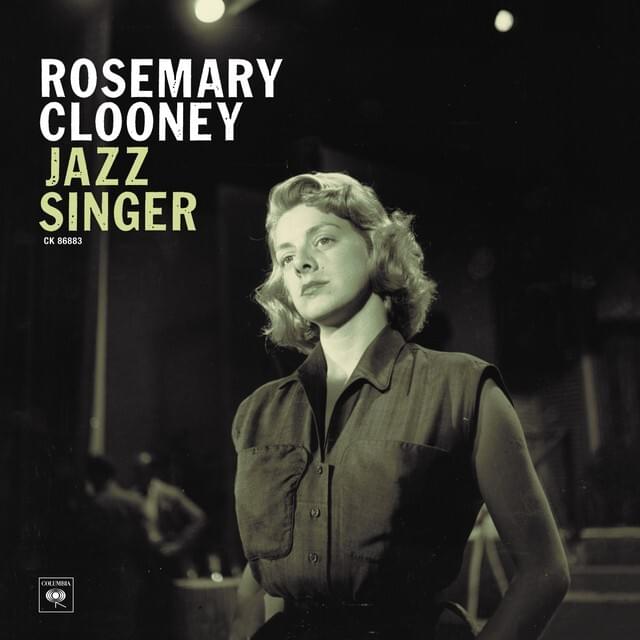
 View Artist