Song Meaning
The lyrics paint a picture of fleeting happiness, personified by "the days of wine and roses" that "laugh and run away like a child at play." This initial image establishes a tone of innocent, almost carefree joy. However, this joy is immediately juxtaposed with a sense of loss and finality as it heads "toward a closing door," a "door marked 'nevermore'" that appears unexpectedly. This contrast between playful escape and irreversible closure sets up the central tension.
The core emotional conflict arises from the memory of a "golden smile" that once ushered in this period of happiness, now recalled only through a "passing breeze filled with memories." The night "discloses" this wistful remembrance, highlighting the stark difference between a cherished past and a present defined by absence. The repetition of "The days of wine and roses" emphasizes the longing for what has been lost, making the present emptiness more poignant.
The most striking craft element is the personification of happiness as a child, which makes its departure feel both natural and tragically abrupt. The sudden appearance of the "door marked 'nevermore'" is a powerful image of irreversible finality, a stark contrast to the playful meadow. This unexpected barrier transforms the idyllic scene into one of poignant regret, suggesting that the very things that brought joy also contained the seeds of their own end.
These lyrics resonate because they capture the universal ache of looking back at cherished moments that have irrevocably passed. The writing effectively uses contrasting imagery—playful escape versus a "nevermore" door—to convey the bittersweet nature of memory. The gentle, almost melancholic tone, underscored by the "passing breeze," makes the loss feel deeply personal yet universally understood.
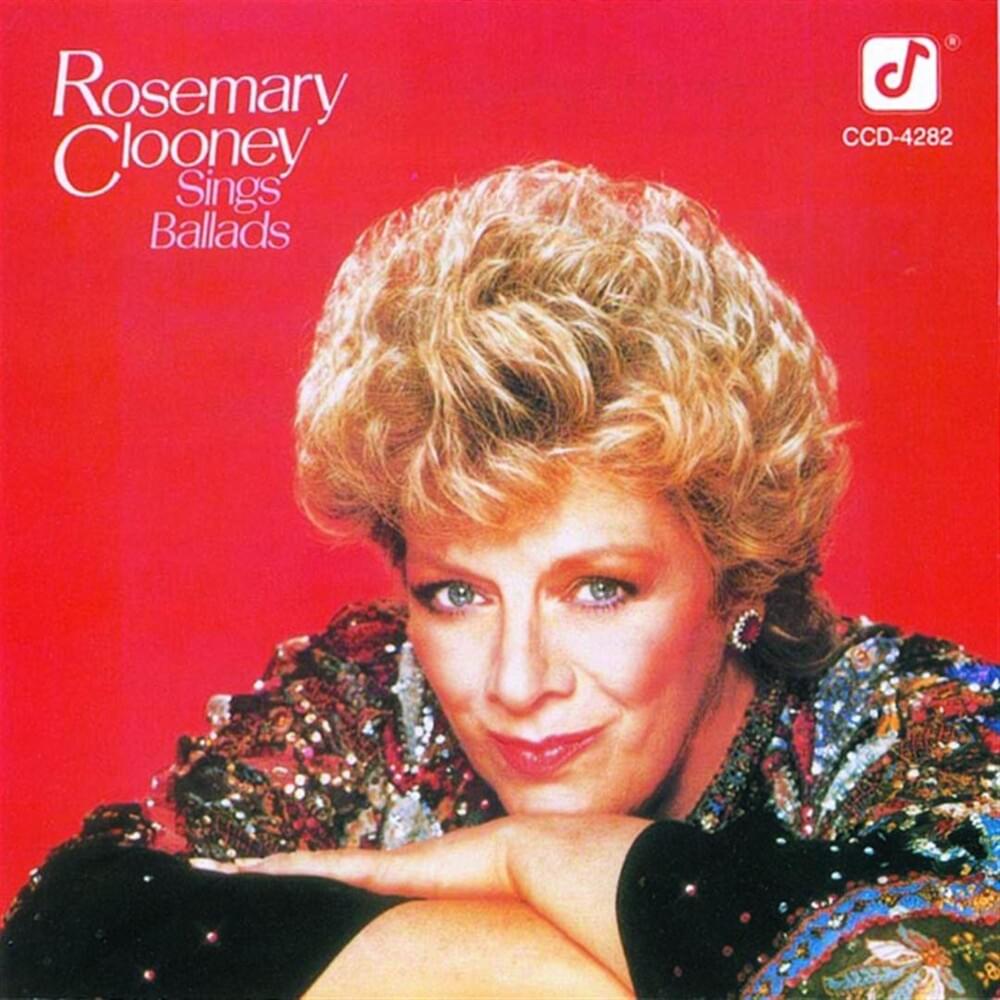
 View Artist