Song Meaning
The lyrics paint a stark, cynical portrait of 2008, beginning with the deeply ironic declaration, "2008, rien à signaler" (2008, nothing to report). What follows is a rapid-fire montage of global anxieties and personal tragedies: melting glaciers, Amy Winehouse's struggles, Middle East conflict, and the Beijing Olympics. This opening immediately establishes a tone of detached observation, where significant events are presented with a shrug.
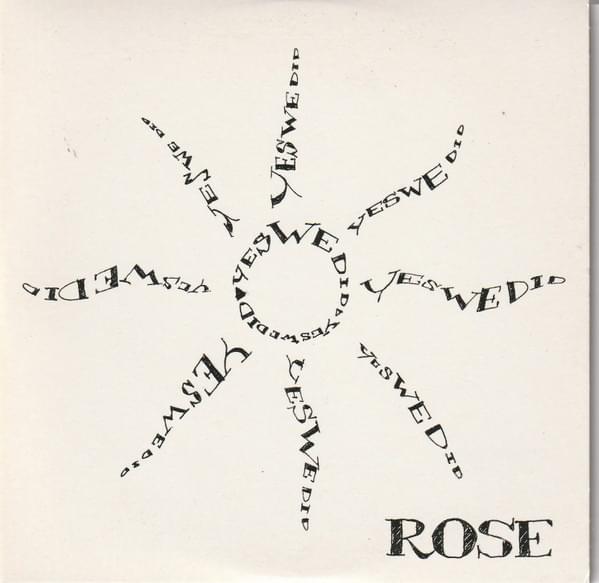
A central tension emerges from the repeated chorus: "On en a vu des candides / Se marier, des stupides / Yes we did." This observation of "naive" and "stupid" people marrying, followed by the collective "Yes we did," transforms a phrase once associated with hope and agency into a bitter echo of collective folly or resignation. It suggests a shared, perhaps unwilling, participation in a world where personal choices seem trivial against a backdrop of larger, uncontrollable forces like the financial crisis and widening inequality, where some receive "golden parachutes" while others struggle.
The lyrical craft excels in its use of sharp juxtapositions and loaded word choices. The casual listing of environmental decay alongside celebrity gossip and geopolitical strife creates a sense of overwhelming, disconnected chaos. Phrases like "Jeux de Pékin, jeux de vilains" (Beijing Games, villains' games) offer a direct, unvarnished critique, while the image of "banquiers ne prêtent plus leur plume" (bankers no longer lend their pen) poetically captures the paralysis of the financial system. The final verse, returning to 2008, shifts to a fatalistic astrological outlook, suggesting that despite a forced optimism ("faisons comme si on avait l'choix"), fate, embodied by Saturn and Jupiter, ultimately dictates outcomes.
These lyrics are effective because they tap into a profound sense of disillusionment. By blending specific, timely references with a detached, almost apathetic tone, they make the listener feel the weight of a world spiraling out of control. The repeated, cynical chorus, especially, forces a reflection on collective responsibility and the often-ironic outcomes of human endeavors, leaving a lingering impression of resignation rather than hope.
 View Artist