Song Meaning
The lyrics paint a stark picture of lost love and betrayal, set against the desolate backdrop of "Old Smokey" covered in snow. The opening lines immediately establish a tone of regret and isolation, with the narrator lamenting a lost "one true lover" due to their own slowness in courting. This sets up a central theme of missed opportunities and the painful consequences of hesitation in matters of the heart.
The core emotional conflict arises from the narrator's disillusionment with love, contrasting the fleeting pleasure of courting with the enduring grief of parting. The lyrics suggest a deep-seated cynicism, stating that a "false-hearted true lover is worse than a thief." This sentiment is amplified by the comparison of their lies to the "cross-tiles in a railroad or the stars in the sky," highlighting the overwhelming and pervasive nature of deceit they've experienced. The narrator feels profoundly alone, believing "one lone boy out of a hundred that a poor girl can trust."
A striking element of the writing is the narrator's defiant, yet melancholic, response to their circumstances. They envision building a cabin "on top of sunrise," a place where even the "wild geese" can hear their "sad cry." This imagery suggests a desire for a remote, elevated space to express their sorrow, away from the judgment of others. The lyrics also reveal external pressures, with the narrator's love interest's parents deeming them "too poor" and "unworthy," and accusing them of drinking and hoarding money. The narrator's retort, "if they don't like me they can leave me alone," shows a flicker of pride amidst their heartbreak.
Ultimately, the effectiveness of these lyrics lies in their raw, unvarnished portrayal of heartbreak and social judgment. The simple, direct language, coupled with vivid, if bleak, imagery, creates a powerful sense of personal anguish. The contrast between the idealized notion of true love and the harsh reality of betrayal and societal disapproval resonates deeply, leaving the listener with a profound sense of the narrator's isolation and enduring pain.
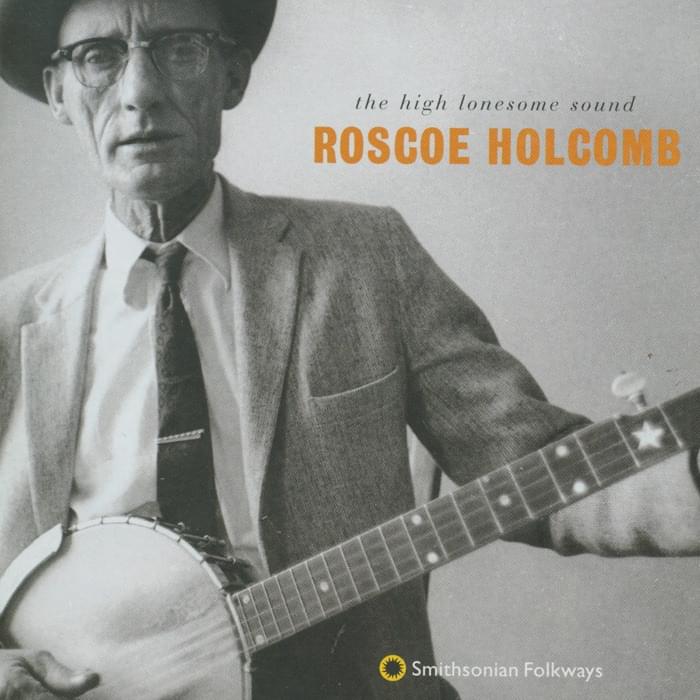
 View Artist