Song Meaning
The narrator is feeling the weight of married life, a stark contrast to the freedom of being single. The initial lines paint a picture of self-care and independence: "When I'm single I dress mighty fine." This freedom is immediately traded for a longing to return to a familiar, perhaps simpler, past, symbolized by "old Aunt Dinah" and "old Virginia."
The dominant emotional tension arises from this dissatisfaction with the present "married life blues." The repeated phrase "Hand me down my walking shoes" acts as a refrain, signaling a desire to escape and move, specifically back towards a place or person associated with a less burdened existence. This isn't just a casual desire to leave; it's a desperate need for a change of scenery and circumstance.
The most striking image comes at the end, where the narrator anticipates a reunion. The thought that "she'd kill herself a-running" suggests that the arrival of the narrator, burdened by these blues, is an unwelcome, perhaps even frightening, prospect for Aunt Dinah. It implies that the narrator's unhappiness is palpable and potentially disruptive, making their return a source of dread rather than comfort.
This lyrical snapshot is effective because it uses simple, direct language to convey a profound sense of regret and confinement. The contrast between the well-dressed single self and the blues-ridden married self, coupled with the vivid, albeit brief, depiction of Aunt Dinah's potential reaction, creates a potent emotional resonance. It captures a specific, relatable feeling of being trapped by one's choices.
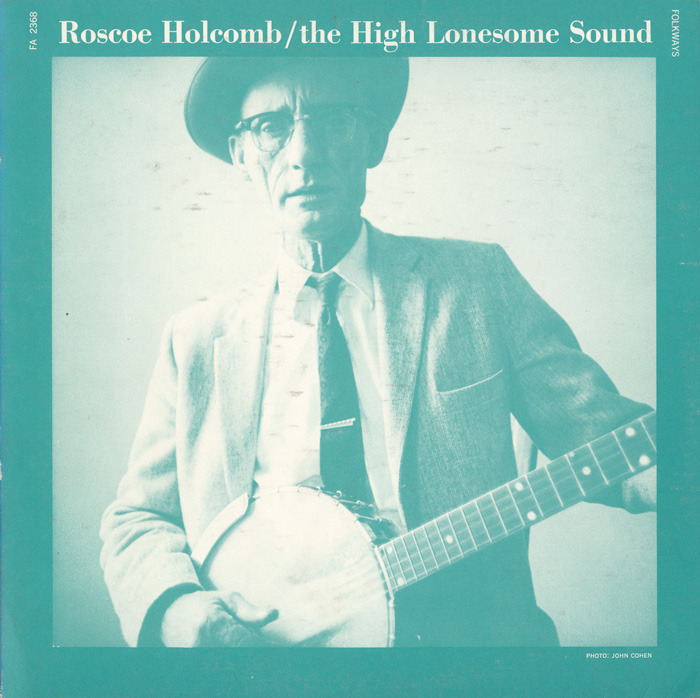
 View Artist