Song Meaning
The lyrics present a striking paradox: the narrator claims to be "as free a little bird as I can be," yet this freedom is immediately undercut by the image of "weeping all day" on a hillside. This juxtaposition suggests that the proclaimed freedom is not one of joy or liberation, but rather a state of profound isolation and sorrow. The repeated assertion of freedom, therefore, feels less like a declaration and more like a desperate attempt to convince oneself or an unseen listener of a state that is clearly not being experienced.
The central tension arises from this contradiction. The narrator is simultaneously asserting absolute freedom and expressing an overwhelming need for rescue and belonging, specifically by pleading, "Take me home little birdie, take me home." This plea is intensified by the declaration, "for I love no other," indicating a singular, desperate attachment to the idea of being taken home. The inability to "stay here by myself" further emphasizes a deep-seated loneliness that the supposed freedom cannot alleviate.
The most compelling aspect of the writing is the persistent, almost defiant repetition of the "free little bird" line, juxtaposed with the raw vulnerability of weeping and the plea to be taken home. This creates a powerful sense of internal conflict. The narrator seems trapped in a state where they can claim outward freedom but are inwardly bound by sorrow and a longing for connection, unable to find solace anywhere, not even "nowhere else."
This lyrical construction is effective because it taps into a relatable human experience of feeling adrift and disconnected, even when circumstances might suggest otherwise. The simple, almost childlike language, combined with the stark emotional imagery, makes the narrator's plight feel immediate and poignant. The unresolved tension between claimed freedom and expressed need for home leaves the listener with a lingering sense of the narrator's profound, solitary grief.
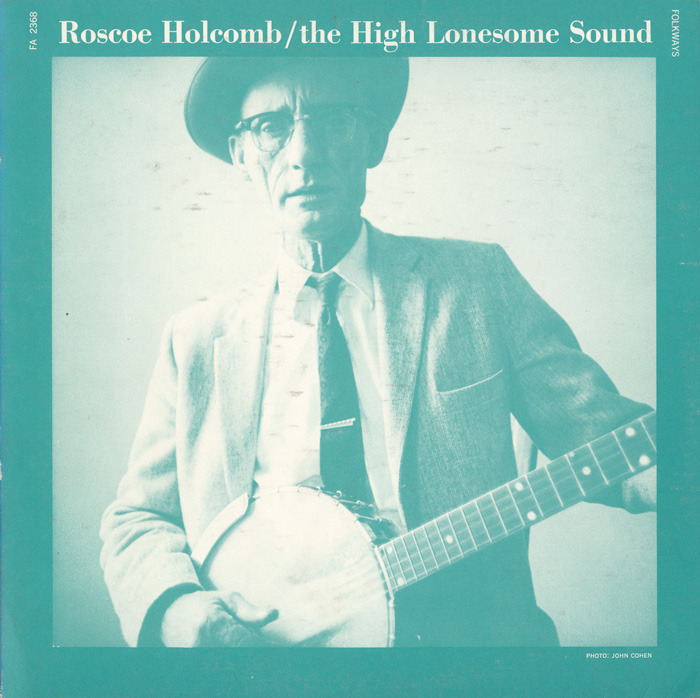
 View Artist