Song Meaning
This track opens with a stark declaration: "Não vai acabar" (It won't end). The narrator immediately contrasts this with a past hurt, noting "Você duvidou quando chorei" (You doubted when I cried). The arrival of the beloved is described with vibrant, almost violent imagery: "Chegou batucando / Quase me mata sambando" (Arrived drumming / Almost killed me dancing). This sets up a central tension between the enduring nature of love and the pain it has caused.
The core conflict lies in the narrator's struggle to reconcile past suffering with a renewed, perhaps even forced, commitment. They confess, "Jurar, jurei / Jurei que jamais / Ia por nada chorar" (Swear, I swore / Swore that never / Would I cry for nothing). This vow, however, feels fragile, described as a "promessa de samba, melancolia" (promise of samba, melancholy). The repetition of "Amor, amor, amor, amor" at the end underscores the overwhelming, almost inescapable presence of this love, despite the acknowledged weariness.
The lyrics masterfully weave together the celebratory spirit of samba with deep-seated sadness. The act of dancing and drumming, typically associated with joy, is framed as something that "Quase me mata" (almost kills me), highlighting an internal struggle. The vow to love "Na saúde, na doença e na dor" (In health, in sickness and in pain) echoes traditional wedding vows but is imbued with the narrator's specific, painful history, making the promise feel less like a hopeful future and more like a heavy obligation.
Ultimately, the effectiveness of these lyrics stems from their raw portrayal of love's duality. It’s not just about the highs; it’s about the exhaustion and doubt that can accompany even the most profound affections. The narrator’s repeated vows, juxtaposed with the memory of being doubted and the physical toll of the beloved's presence, create a complex emotional landscape that feels intensely personal and resonant.
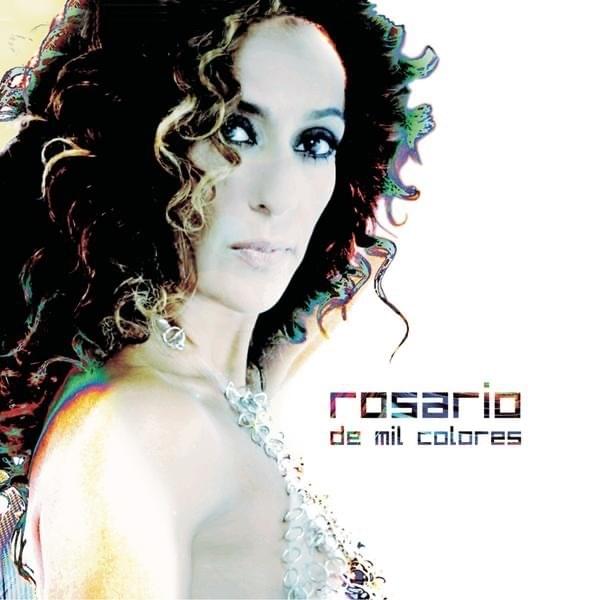
 View Artist