Song Meaning
This song poses a haunting question about lasting impact, framing it through evocative, almost mythic imagery. The narrator asks if they will be remembered, not in a casual sense, but as a fundamental part of the listener's experience, like ancient markers on a landscape. The initial verses establish a sense of enduring presence, suggesting a connection that transcends the ordinary. The repetition of "Will you remember me?" acts as a plea, a quiet insistence against the tide of time and distance.
The central tension lies in the contrast between the narrator's desire for permanence and the inevitable transience of life and memory. The lyrics shift from the solitary, windswept hills to the detached perspective of an airplane over foreign lands, highlighting a growing distance. This movement suggests a fear that the narrator's significance might fade as the listener's world expands and their own life progresses. The comparison to a "perfect child you can't bear to leave" introduces a poignant vulnerability, hinting at a deep, perhaps parental or deeply cherished, bond.
The most striking craft element is the use of contrasting settings and sensory details to underscore the theme of remembrance. We move from the tangible, elemental imagery of "circled stones" and "ancient hills" to the abstract, vast expanse of "foreign seas" and "breaking skies." The final verse brings this into sharp focus, placing the question at the "edge of life" where "time runs slow" and the physical body is no longer a constraint. The idea of being remembered "when there's no need to breathe" elevates the request beyond mere recollection to a spiritual or existential level.
Ultimately, the lyrics resonate because they tap into a universal human anxiety about being forgotten. The narrator's earnest, almost desperate, questioning, amplified by the shifting, grander scales of the imagery, creates a powerful emotional weight. It’s the quiet fear that even the most profound connections might eventually dissolve into the vastness of existence, leaving only a faint echo on the wind.
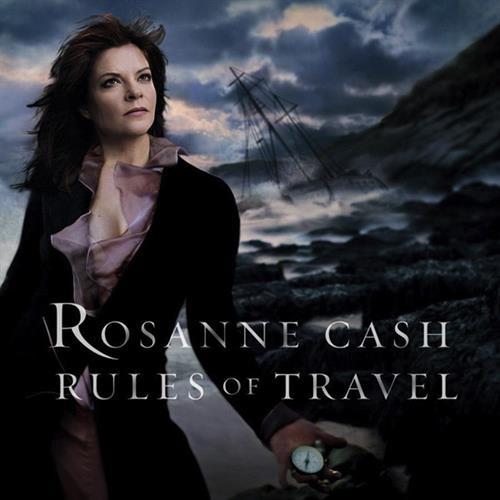
 View Artist