Song Meaning
These lyrics paint a vivid picture of a collective journey, a "great migration" towards a destination named "Jerusalem." Yet, this isn't just a physical trek. It's a profound internal shift, a "turning ourselves inside-out" only to discover a surprising truth: "we're already home." This opening paradox immediately sets a tone of deep reflection and unexpected wisdom.
The central tension lies in this dual nature of the journey—an outward movement fraught with the complexities of life, making a "deal with the sinners and saints," while simultaneously being an inward search for belonging. The repeated refrain, "We'll be crossing to Jerusalem / With nothing but our love," anchors the narrative, emphasizing that despite the grand scale of the migration, the essential resource is simple, powerful, and deeply human. It suggests that love is both the fuel and the ultimate destination.
The lyrics masterfully blend grand, almost spiritual imagery with the mundane and the deeply personal. We see the passage of time through "birthdays and the babies, bourbon and the tears," a life lived with a force "roaring like the hurricane." Later, a striking paradox emerges: "We lost the hands we didn't play / But somehow won the game." This suggests a redefinition of success, perhaps finding victory not in strategic moves but in resilience, acceptance, or simply enduring.
Ultimately, these lyrics resonate because they articulate a universal human experience: the search for meaning and belonging. By framing life as a "great migration" powered by "nothing but our love," the writing offers a powerful, comforting perspective. It suggests that even when navigating the vastness of life, through "towns through tiny windows" and rooms that "look the same," the true victory lies in shared experience and the enduring power of connection.
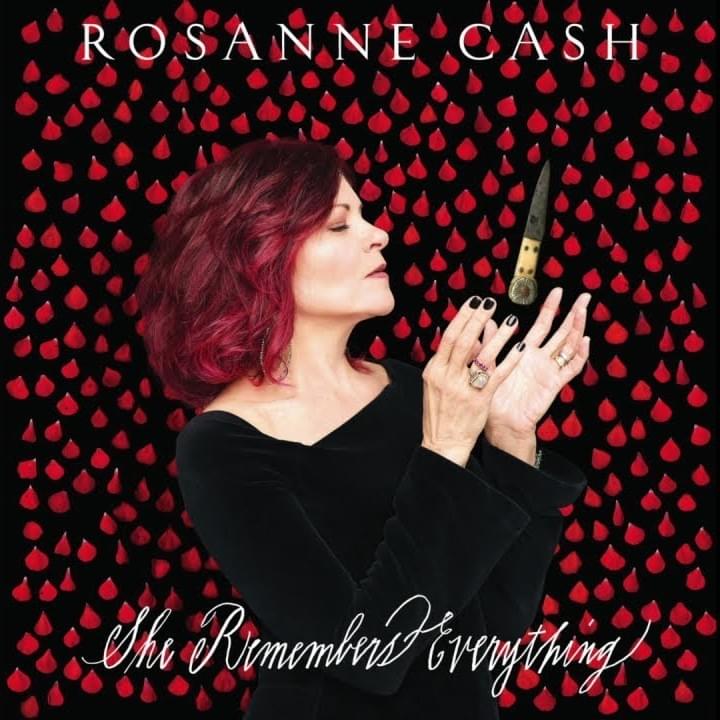
 View Artist