Song Meaning
The lyrics paint a scene of gathering and comfort, immediately establishing a desire for shared experience and warmth. The repeated call to "Traigan vino" (Bring wine) sets a convivial tone, emphasizing wine's generous nature: it asks for nothing but gives everything. This is paired with a need for music, specifically "Tres guitarras" (Three guitars), to carry "El mensaje de la gente / Que no esta" (The message of the people / Who are not here), suggesting a remembrance or tribute to absent loved ones.
The desire for physical and emotional warmth is palpable, with a request for "ropa de cuero" (leather clothes) to ward off the cold and a longing for a timeless story that celebrates love's victories. This narrative element, described as "un cuento viejo eterno pero nuevo" (an old eternal but new story), hints at the enduring power of love's triumphs, even as the present moment seeks solace. The imagery shifts to a more intimate, perhaps nostalgic, setting with "En la estufa fue buhardilla" (In the stove was a garret), a space that seems to hold memories, with the narrator observing a friend whose "cara americana de verdad" (real American face) suggests a genuine, perhaps unvarnished, presence.
The latter part of the lyrics introduces a subtle, almost sensual, visual of "terciopelo" (velvet) and a "rayo recto jugando / Entre los pliegues" (straight ray playing / Between the folds), which then "recibe al sol / Desde un rincón" (receives the sun / From a corner). This detailed, almost painterly, description creates a sense of quiet beauty and the gentle arrival of light and warmth, perhaps mirroring the emotional comfort sought through the gathering, the music, and the stories. It’s a moment of peaceful observation, where simple elements like light and texture bring a sense of fulfillment and connection.
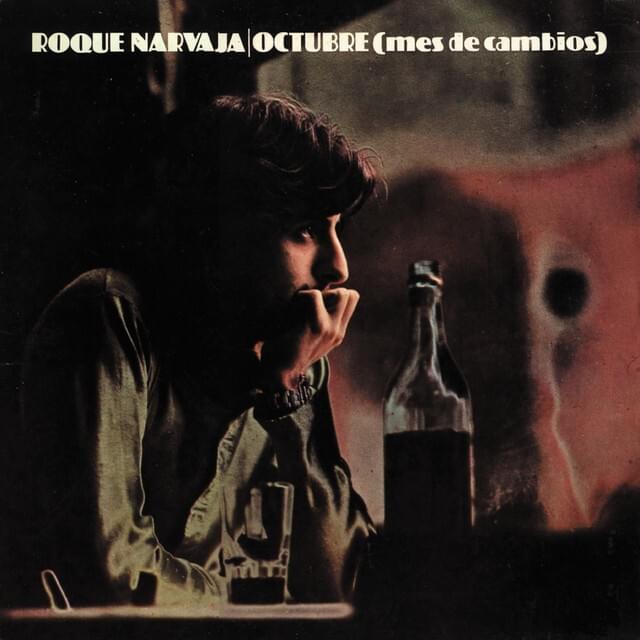
 View Artist