Song Meaning
The lyrics paint a stark picture of disillusionment, where the initial wonder of the stars has faded, leaving them "emptied." This emptiness mirrors a relationship that has soured, moving beyond passionate connection into a shared, acknowledged "crazy." The narrator feels a profound sense of futility, unable to heal "wounds" that have only grown sharper, and a gnawing feeling of being "useless" in the face of this decay. The waiting for "nothing to come" underscores a relationship that has stalled, devoid of progress or hope.
The central tension arises from the contrast between a past belief in a grander purpose – "made for something more" and "made for something sure" – and the present reality of emotional paralysis. The repeated plea to "find my sanity" while simultaneously feeling "numb" and "done" highlights a desperate struggle to reclaim oneself from a state of emotional exhaustion. This is not a simple breakup; it's an unraveling, a dismantling of the self that feels irrevocably broken by the other person's actions, as evidenced by the repeated, almost incantatory, "Oh you break my heart / Oh you take my sanity apart."
The most striking craft element is the stark juxtaposition of grand cosmic imagery with intimate personal failure. The "emptied" stars and the frozen state of their connection are vast, yet the source of pain is intensely personal and destructive. The repetition of "I'm numb," "I'm done," and the core phrase "take my sanity apart" creates a suffocating, claustrophobic feeling, trapping the listener in the narrator's despair. The shift from "waiting for nothing to come" to the desperate search for sanity "in the moment" signifies a painful, albeit numb, acceptance of the present bleakness.
Ultimately, these lyrics resonate because they articulate a specific kind of emotional death. It's the quiet implosion of a relationship that promised more, leaving behind a hollow shell and a profound sense of loss. The raw, unadorned language, particularly the repeated declarations of being "numb" and "done," bypasses complex metaphor to hit directly at the core of emotional exhaustion, making the narrator's internal collapse palpable and deeply affecting.
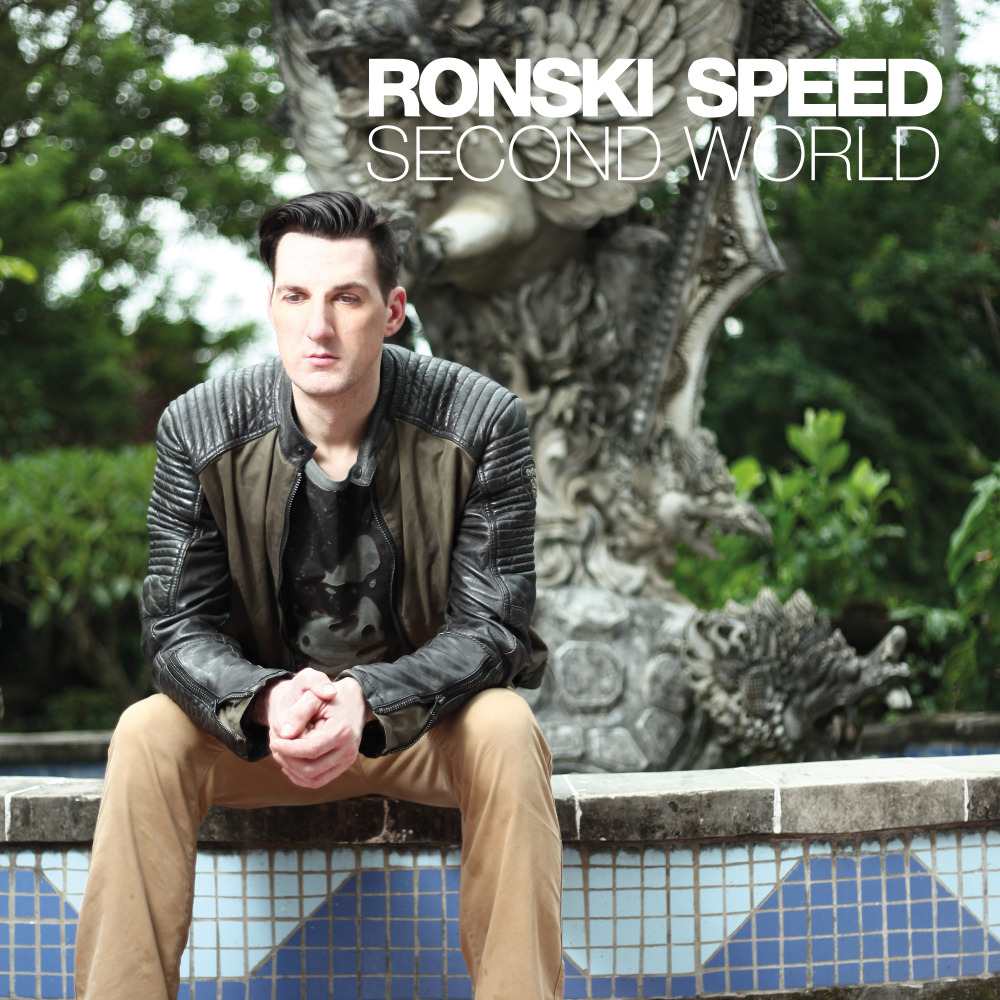
 View Artist