Song Meaning
The lyrics open with a desperate plea for reassurance, a quiet whisper of "It's okay, it's okay" directed inward. The narrator seeks solace, asking to be told that past events are fine, but crucially, this comfort is only for themselves, "only for me to hear." This immediate vulnerability sets a tone of internal struggle, a need for external validation that remains unfulfilled. The pre-chorus deepens this, describing a forceful self-expulsion and a turning away from unhealable wounds, suggesting a past marked by self-inflicted pain and denial.
The central tension arises from the relentless passage of time and the narrator's inability to escape its consequences. The imagery of the sun rising and setting, day turning into night, frames a life lived "walking through time I can't hold onto." This cyclical existence is characterized by a profound sense of debt, a feeling of owing more than can ever be repaid. The line "Today like tomorrow, I live with debt" captures this inescapable burden, a weight that accumulates with each passing moment.
The craft here lies in the persistent metaphor of debt, which evolves throughout the song. Initially, it's an internal, unquantifiable burden tied to past actions and unhealed wounds. By the final chorus, this debt is externalized, becoming a "thoughtless burden on my shoulders" that "the world already knows." This shift from personal, hidden struggle to a publicly acknowledged, heavy load is striking. The repetition of "It's okay" in the beginning contrasts sharply with the final realization of an undeniable, weighty burden.
This song resonates because it articulates a universal feeling of being overwhelmed by life's demands and past mistakes. The lyrics don't offer easy answers but instead capture the quiet, persistent ache of carrying unseen burdens. The progression from seeking internal comfort to acknowledging an external, inescapable weight makes the emotional impact profound, reflecting the often-unspoken struggle of navigating life with unpayable debts, both literal and metaphorical.
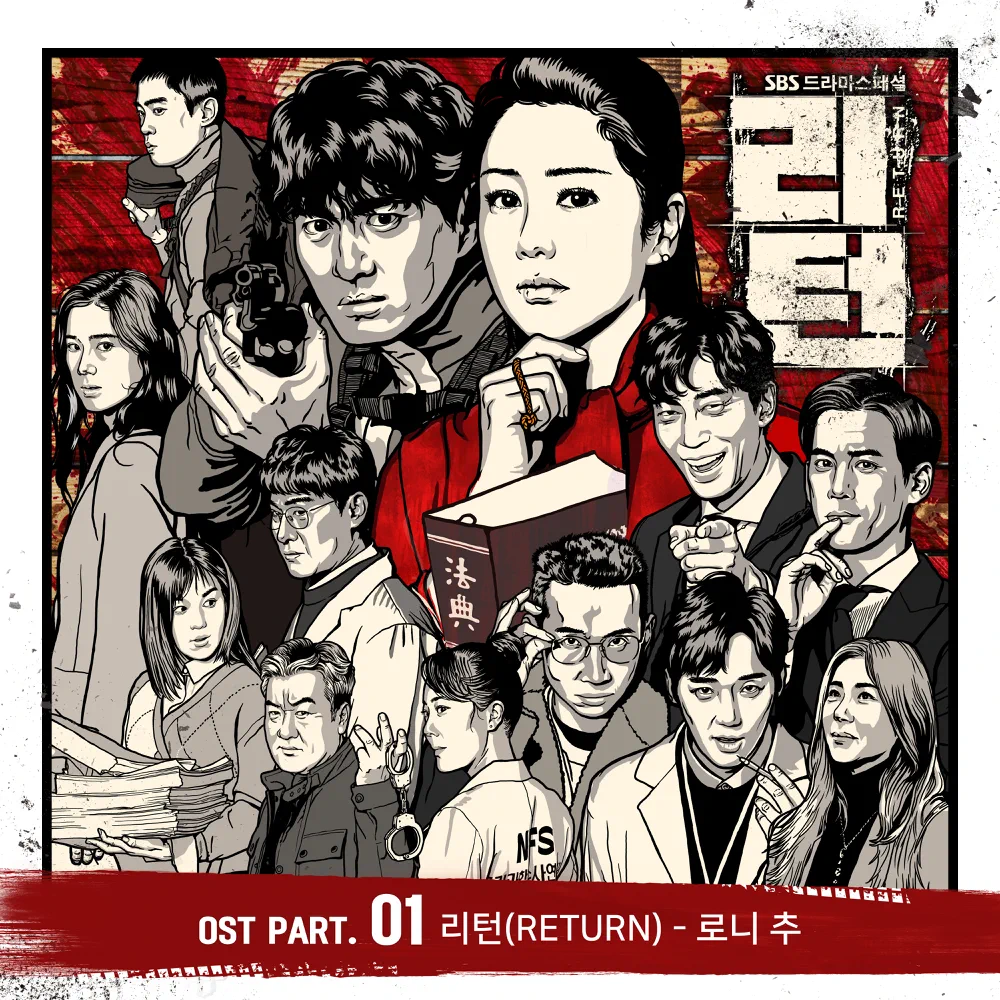
 View Artist