Song Meaning
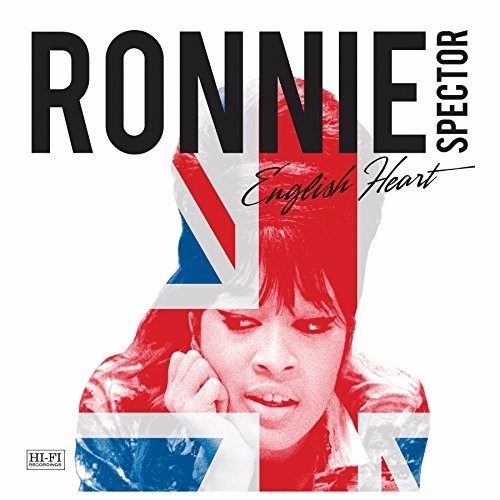
Ronnie Spector's rendition of "Don't Let the Sun Catch You Crying" (here, a bonus demo) isn't just a plea for emotional stoicism; it's a masterclass in managing grief under the watchful eye of the world. The core message revolves around compartmentalization, a psychological defense mechanism where painful feelings are consciously suppressed, only to be dealt with in private. Spector, with her signature blend of vulnerability and strength, urges the listener to reserve their tears for the darkness, a space where they can be authentic without judgment. The sun, in this context, becomes a symbol of societal expectations, demanding a performance of happiness even when the heart is breaking. It's about survival, maintaining appearances, and navigating the complexities of heartbreak with a degree of self-preservation.
The lyrics subtly acknowledge the validity of sorrow ("We know that crying's not a bad thing"), refusing to pathologize the feeling itself. Instead, the emphasis is on timing and presentation. The suggestion to "stop your crying when the birds sing" isn't about denying pain, but rather about choosing the appropriate arena for its expression. This resonates deeply with anyone who has experienced the pressure to 'move on' or 'get over it' before they're truly ready. Love is presented as a "game," a concept that might seem callous on the surface, but hints at the unpredictable and often unfair nature of relationships. It’s a pragmatic acknowledgement that heartbreak is a possibility, and resilience is a necessary skill.
Ultimately, Ronnie Spector's interpretation of "Don't Let the Sun Catch You Crying" transcends simple heartbreak advice. It’s a nuanced exploration of how we perform emotion, the societal pressures that shape our expressions of grief, and the delicate balance between vulnerability and self-protection. The song's enduring appeal lies in its recognition that sometimes, the most courageous act is not to deny your pain, but to carefully curate when and where you allow yourself to feel it.
 View Artist