Song Meaning
The lyrics paint a picture of a relationship's painful end, where one person is desperately trying to hold on while the other is already moving on, or perhaps has been for a while. The opening lines, "E non guardarmi più / Che cosa cerchi qui" immediately establish a sense of finality and a plea for distance. The narrator is collecting their thoughts, suggesting a need for internal processing, while the other person "Da sempre già lo sai / Ma niente durerà per sempre," implies a pre-existing knowledge of the inevitable conclusion.
The central tension lies in the paradoxical state of time and movement described: "Si è fermato il tempo / Ma stiamo correndo." This suggests a feeling of being stuck emotionally while life, or at least the external world, continues at a frantic pace. The search for love is framed as a desperate race, but the question "Ma dov'è la Libertà" hangs heavy, implying that this pursuit, or perhaps the situation itself, is anything but freeing.
The imagery of "graffia il tuo dolore" and the inability of even a crane to reach someone who "sprofondare nelle inquietudini" creates a powerful sense of isolation and despair. The lyrics suggest a profound internal struggle, a descent into anxieties where external help is futile. The repeated refrain about time stopping yet running, and the world moving in reverse, underscores a disorienting emotional landscape where escape feels impossible.
Ultimately, the effectiveness of these lyrics comes from their stark portrayal of emotional paralysis amidst external motion. The narrator seems to be grappling with the quiet, inevitable end, symbolized by "La fine busserà / Dietro una porta già." The repeated question about freedom, juxtaposed with the feeling of being trapped and running, leaves the listener with a profound sense of unresolved yearning and the painful realization that sometimes, even in the midst of searching, true liberty remains out of reach.
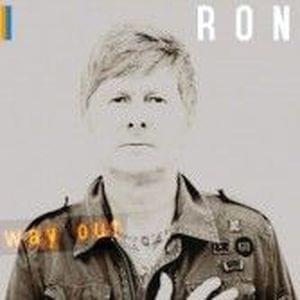
 View Artist