Song Meaning
The narrator is caught in a loop of forgetting and needing reassurance, desperately seeking confirmation of love and self. The opening lines immediately establish a sense of disorientation, with the speaker admitting to being "somewhere else" and "lost, walking in the rain looking for myself." This isn't just a momentary lapse; it’s a recurring state of being, a fundamental missing piece that drives the plea to "tell me again."
The core tension lies in the conflict between the external affirmation of love and the internal inability to retain or believe it. The narrator is actively seeking "a sign" and promises to "listen," yet immediately follows with "I can't believe what I'm hearing" and "I can't believe what I'm feeling." This creates a poignant paradox: the words are spoken, the love is seemingly present, but the narrator’s internal state prevents them from truly receiving it.
The lyrics masterfully employ repetition to mirror this cyclical struggle. The insistent "Please tell me again" isn't just a request for information; it's a desperate attempt to anchor oneself in a reality that feels perpetually out of reach. The contrast between the present moment of being told "love won't ever fade" and the past memory of "when you and I were small" highlights the narrator's fractured sense of time and self, suggesting a deep-seated insecurity that even loving words can’t fully penetrate.
Ultimately, the song’s power comes from its raw portrayal of vulnerability and the struggle for self-validation. The narrator’s inability to internalize reassurance, despite its repeated delivery, makes the plea for confirmation all the more heartbreaking. It’s a vivid depiction of how internal doubt can create an unbridgeable gap between external reality and personal belief, leaving the speaker perpetually adrift and searching.
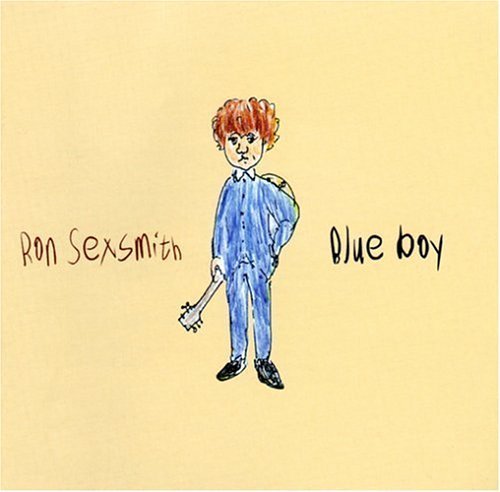
 View Artist