Song Meaning
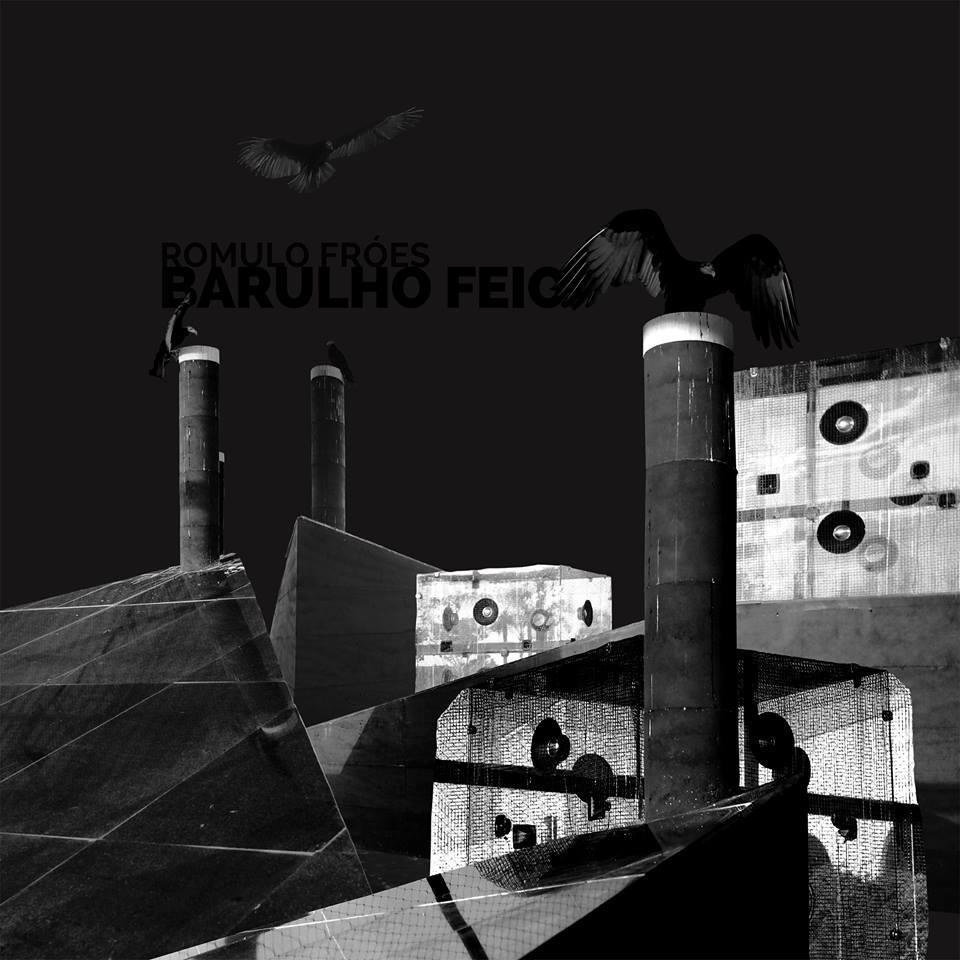
These lyrics paint a picture of cool, detached observation from above. The narrator, or perhaps a collective "we," surveys the world with a discerning eye. They're not driven by primal hunger or urgency, but by a knowing search. It's about identifying "what's good to eat."
From this elevated perspective, the world takes on an unsettling hue; "the meat is almost blue," suggesting distance or an altered state. Below, the "crowd" and its "trash" merge into a single, undifferentiated mass. The tension lies in the repeated assertion, "We are not hungry," yet the entire focus remains on "what's good to eat." This isn't about survival; it's about selection, perhaps even a form of calculated consumption.
The craft here hinges on the powerful, almost god-like perspective. The phrase "from up high" transforms raw elements like "meat" and "trash" into abstract concepts, seen through a filter of detachment. The repeated declaration, "We know how to see," emphasizes a unique, almost predatory discernment. It suggests that "eating" isn't just about sustenance, but about a sophisticated process of identification and acquisition, far removed from basic need.
These lyrics hit hard because they evoke a chilling sense of calm power. The speaker's lack of "hunger" or "haste" makes their eventual act of "eating" feel less like necessity and more like a deliberate, almost ritualistic choice. The final lines—"to eat, to lick oneself / And fly to the sun"—culminate in an image of ultimate self-gratification and transcendent ambition, suggesting that this discerning consumption leads to a kind of mythical ascent. It leaves the listener pondering the true nature of what is being sought and devoured.
 View Artist