Song Meaning
This song captures the pure, unadulterated bliss of a Sunday morning, a deliberate pause from the usual grind. The narrator explicitly states that the alarm clock is silent and the work overalls are put away, setting a tone of immediate relaxation. The dominant feeling is one of peaceful liberation, a stark contrast to the impending Monday, which is acknowledged but dismissed as unable to disturb this tranquil state. It’s about embracing the stillness and the freedom it brings.
The central tension lies in the conscious decision to resist the pressure of time, even with Monday looming. The lyrics emphasize that this is a chosen state, a deliberate act of slowing down. The phrase "ei voi kiire ahdistaa" (hurry cannot oppress) directly addresses this, framing the Sunday state as an active defiance of external demands. This isn't just passive idleness; it's an intentional cultivation of peace.
The song’s structure and word choices amplify this feeling of expansive freedom. The repeated phrase "Aikaa kuljeskella omia teitä" (Time to wander your own paths) is echoed by "Aikaa ajatella juttua monta" (Time to think many things) and "Aikaa seisoskella siinä ja tässä" (Time to stand here and there). This repetition, coupled with the cascading, almost list-like enumeration of possibilities – "Keventyneitä, Pidentyneitä, Uskomatonta, Tuntematonta, Kyselemässä, Pitelemässä" – creates a sense of open-ended possibility and unhurried exploration. The simple, joyful "Hoi, laari-laari-laa!" refrain further solidifies the lighthearted, almost childlike contentment.
Ultimately, the lyrics resonate because they articulate a universal desire for respite and self-directed time. The craft here isn't about complex metaphors but about the direct, almost tactile evocation of a feeling. By focusing on simple actions—or lack thereof—and the expansive sense of time, the song allows the listener to inhabit that peaceful Sunday moment. The satisfaction comes from the explicit declaration that "Tyytyväinen laulu soi" (a contented song plays), a direct expression of the inner state achieved through this deliberate idleness.
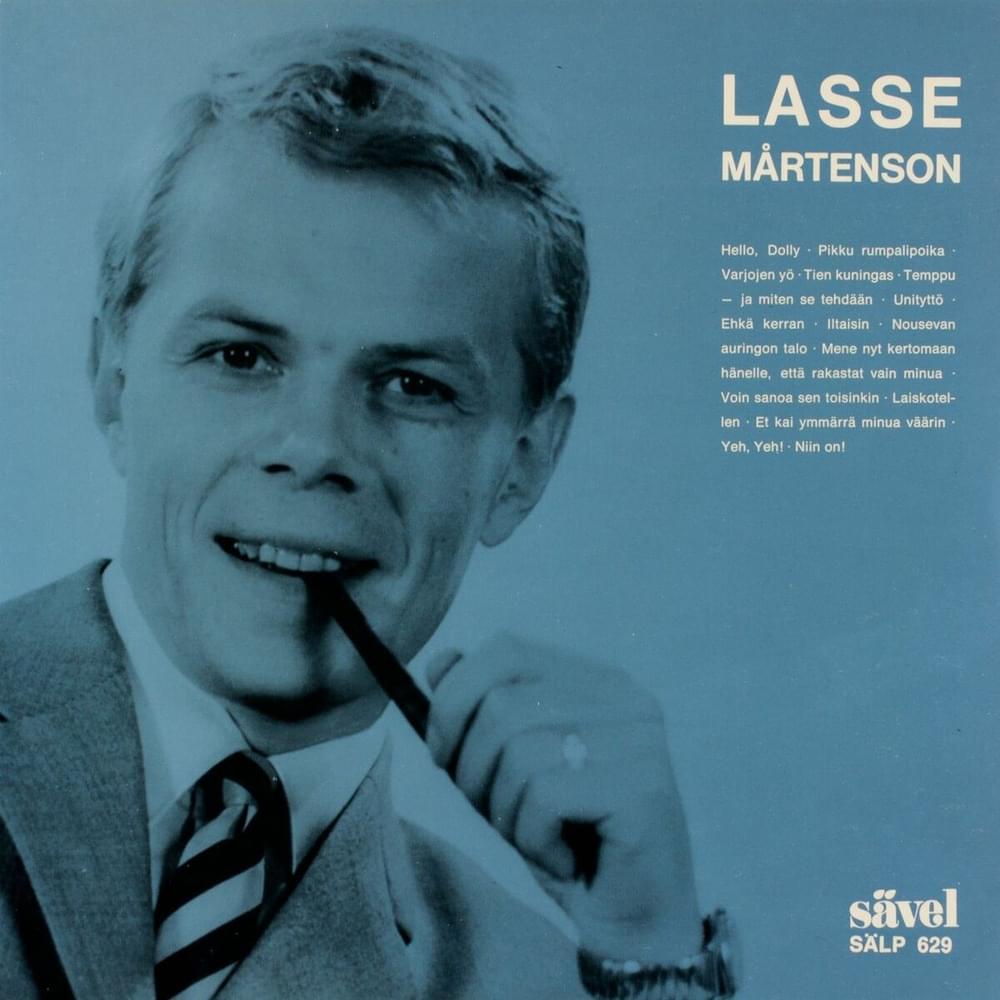
 View Artist