Song Meaning
The lyrics paint a grim picture of a community shattered by violence, specifically the death of young Black men. A pervasive sense of dread hangs over the "north country," where even lullabies are tinged with sorrow and the streets themselves seem to weep. The narrator, positioned as a bearer of "bad news," feels helpless against this tide of tragedy, questioning their role and purpose in delivering such devastating reports. The repeated phrase "bad news" emphasizes the inescapable nature of this suffering.
The central tension lies in the narrator's profound fear and their desperate search for solace amidst this chaos. They admit to being "afraid" and feeling a disconnect from a loved one who is "far away," highlighting a personal struggle for safety and connection. The imagery of losing "my sword" and "my shield" suggests a complete vulnerability, a feeling of being disarmed and defenseless against the overwhelming forces at play. This personal crisis is directly linked to the external violence described.
The most striking element is the personification of evil as "the devil" who "kills for the chase" and is "real to me." This isn't an abstract concept but a tangible, menacing presence that the narrator can "hear gnashing his teeth" even while singing. The lyrics suggest a struggle between this palpable evil and a protective force, perhaps divine or a specific relationship, represented by "you" who "will not let me fall." This duality creates a powerful emotional arc from despair to a fragile hope.
What makes these lyrics resonate is their raw, unflinching portrayal of communal grief and personal terror. The narrator’s direct address and admission of fear create an intimate connection, making the abstract "devil" feel like a shared enemy. The shift from helplessness to a plea for healing and the eventual, albeit tentative, assurance of protection offers a complex emotional landscape that feels both deeply personal and tragically resonant with the community.
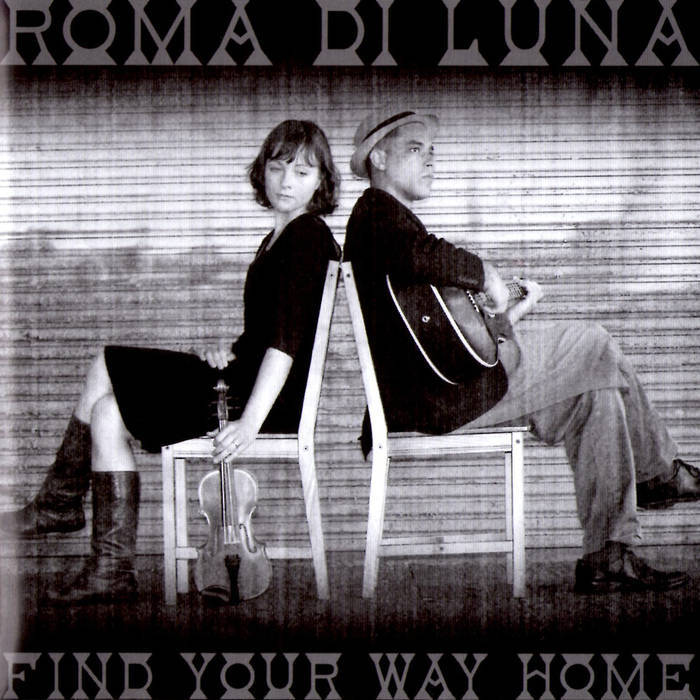
 View Artist